Filter by brand


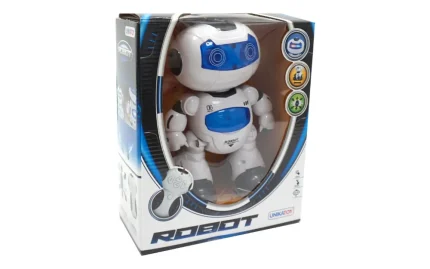
Battery-powered Robot Agent, 22 cm


Battery-powered robot Armor


Big Stego Blast Wing, Dinoster


Bot Ankylo – Delby,13 cm, Dinoster


Bot Ptera Jay Min, 13 cm, Dinoster


Bot Raptor Lucio,13 cm, Dinoster


Bot Stego Oz, 13 cm, Dinoster


Figura Delby, 15 cm, Dinoster


Great Raptor Throne, Dinoster


Jay Min figure with equipment, 20 cm, Dinoster


Jay Min Figure, 15 cm, Dinoster
Robot Toy: A Complete Guide to Fun, Learning, and Innovation
Robot toys have quickly become a favorite choice for children and parents alike. Combining play with technology, these toys introduce kids to the fascinating world of robotics, programming, and problem-solving. From simple interactive robots to advanced programmable kits, robot toys engage children in creative and educational ways.
What Is a Robot Toy?
A robot toy is a mechanical or electronic device designed to entertain and educate children by simulating robotic functions. These toys often move, speak, or respond to commands through remote control, sensors, or voice recognition. Robot toys vary widely—from basic moving figures to complex programmable machines—making them suitable for all age groups.
Types of Robot Toys
Interactive Robot Toys
Interactive robot toys respond to stimuli such as voice, touch, or motion. They can dance, sing, tell stories, or play games, making them perfect for younger kids who enjoy engaging play.
Programmable Robot Kits
These kits allow children to build and program their own robots. Ideal for older kids and teens, programmable robot toys teach coding basics and foster logical thinking.
Educational Robots
Educational robots focus on teaching STEM (Science, Technology, Engineering, and Mathematics) skills. They often come with learning apps or guided activities that challenge kids to solve problems and think critically.
Humanoid Robot Toys
Some robot toys are designed to mimic human actions and interactions. They can recognize faces, respond to commands, and simulate social behaviors, enhancing emotional and social learning.
Benefits of Robot Toys for Children
Encourages STEM Learning
Robot toys introduce children to foundational STEM concepts. Playing with robots enhances understanding of science, technology, engineering, and math in a fun and approachable way.
Enhances Creativity and Imagination
With robot toys, kids invent stories, role-play adventures, and create unique scenarios. This imaginative play develops cognitive flexibility and artistic skills.
Develops Problem-Solving Skills
Programming or controlling robots requires children to plan, troubleshoot, and execute tasks. These activities improve critical thinking and analytical skills.
Improves Fine Motor Skills
Assembling and interacting with robot toys helps develop hand-eye coordination and dexterity.
Promotes Social Interaction
Many robot toys encourage cooperative play, improving communication and teamwork abilities.
How to Choose the Best Robot Toy
Age Suitability
Choose a robot toy appropriate for the child’s age and skill level. Simple, interactive robots are ideal for preschoolers, while programmable kits are better suited for older children.
Educational Value
Look for robots that offer a balance of fun and learning. Consider toys with expanding challenges to keep kids engaged as they grow.
Ease of Use
The toy should be user-friendly, with clear instructions and simple controls. App integration can add convenience but should be intuitive.
Battery Life and Durability
Check battery requirements and how long the robot can operate on a full charge or set of batteries. Also, ensure the toy is built to withstand active play.
Popular Robot Toys on the Market
-
LEGO Mindstorms: Combines building blocks with programming for advanced robotics fun.
-
Cozmo by Anki: An intelligent interactive robot with games and personality.
-
Sphero: A robotic ball controlled by smartphone and programmable apps.
-
Ozobot: Teaches coding through color commands, great for beginners.
-
FurReal Friends: Interactive robot pets that mimic real animal behaviors.
Educational Impact of Robot Toys
Robot toys have a significant impact on early childhood education and beyond. Schools increasingly use these toys to teach coding and robotics through hands-on experiences. They make abstract concepts tangible and motivate kids to explore technology creatively.
Parents can support this learning at home by choosing robot toys that include educational content or programming features. This approach builds confidence and fosters a positive attitude towards science and technology.
Safety Tips for Using Robot Toys
-
Supervise younger children during playtime to avoid small parts hazards.
-
Use batteries according to manufacturer instructions and keep spares on hand.
-
Provide a clear play area to prevent damage or injury.
-
Follow setup and operating instructions carefully to ensure proper use.
Future Trends in Robot Toys
The future of robot toys looks bright with ongoing advances in artificial intelligence, sensors, and connectivity. Upcoming robot toys will be more interactive, customizable, and educational, blending physical and digital play. Parents and educators can expect even more engaging and versatile robotic companions to help children learn and grow.
Conclusion: Why Robot Toys Are a Great Choice
Robot toys are more than just fun—they are powerful educational tools that help children develop essential skills for the future. By fostering creativity, STEM knowledge, and problem-solving abilities, robot toys prepare kids for a tech-driven world. Whether you’re buying for a toddler or a teen, there is a robot toy that fits every child’s interests and learning needs.
Invest in a robot toy today and watch as your child’s imagination and skills come to life through interactive and inspiring play.