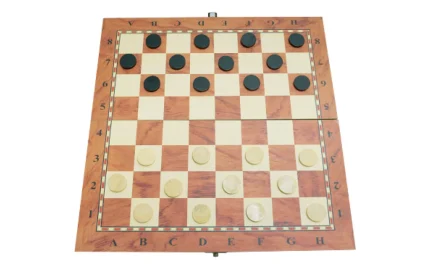


Chess: The Timeless Game of Strategy, Skill, and Mental Mastery
Chess is one of the most iconic and enduring board games in history. With origins dating back over 1,500 years, it remains a global phenomenon, played by millions for fun, competition, and intellectual challenge. Whether you’re a casual player seeking a stimulating pastime or an aspiring grandmaster, chess offers endless depth and excitement.
This article dives deep into the fascinating world of chess — covering its history, basic rules, essential strategies, mental benefits, and how to get started. Read on to discover why chess is more than just a game; it’s a journey that sharpens the mind and fosters lifelong learning.
The Origins and Evolution of Chess
The game of chess traces its roots to ancient India, where it was known as “Chaturanga” around the 6th century AD. From India, it spread to Persia and the Islamic world before arriving in Europe during the Middle Ages. Over centuries, the rules and pieces evolved into the form we recognize today.
Chess has long been associated with royalty and intellectual elites. It has inspired countless legends, artworks, and cultural references worldwide. Its combination of simplicity in rules but complexity in play contributes to its timeless appeal.
Chess Board and Pieces: The Basics
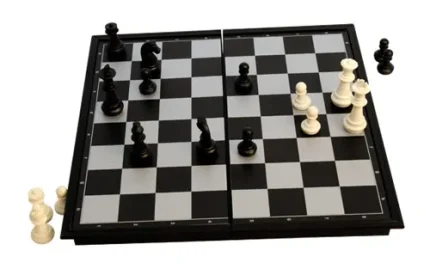
Chess is played on a square board consisting of 64 alternating light and dark squares arranged in an 8x8 grid. Each player begins with 16 pieces: one king, one queen, two rooks, two bishops, two knights, and eight pawns.
How Each Piece Moves:
-
Pawn: Moves forward one square (with an option to move two squares on the first move). It captures diagonally.
-
Rook: Moves any number of squares vertically or horizontally.
-
Knight: Moves in an “L” shape (two squares in one direction and then one square perpendicular).
-
Bishop: Moves any number of squares diagonally.
-
Queen: The most powerful piece, combining rook and bishop moves.
-
King: Moves one square in any direction; the most vital piece to protect.
Objective of the Game: Checkmate
The main goal in chess is to place your opponent’s king in “checkmate.” This means the king is under threat of capture (check) and has no legal moves to escape. When checkmate occurs, the game ends, and the player delivering it wins.
Chess games can also end in a draw through stalemate, insufficient material, threefold repetition, or mutual agreement.
Essential Chess Strategies and Tactics
Chess is a game of skillful planning and foresight. To succeed, players must master a range of strategies and tactical motifs:
1. Control the Center
The center squares (d4, d5, e4, e5) are crucial. Controlling the center allows your pieces maximum mobility and influence across the board.
2. Develop Your Pieces
Rapidly moving your knights and bishops from their starting positions to effective squares prepares for both attack and defense.
3. King Safety: Castling
Castling is a special move that helps safeguard your king behind a wall of pawns while connecting your rooks for greater coordination.
4. Pawn Structure
Strong, well-positioned pawns control space and limit your opponent’s options. Avoid weaknesses like isolated or doubled pawns.
5. Tactical Awareness
Mastering tactics such as forks, pins, skewers, discovered attacks, and double checks can turn the tide in a game instantly.
The Mental and Educational Benefits of Chess
Playing chess regularly offers a variety of cognitive and personal benefits:
Enhances Cognitive Skills
Chess trains memory, concentration, pattern recognition, and logical thinking. Players learn to analyze complex situations and anticipate future possibilities.
Boosts Creativity
Chess encourages innovative problem-solving and creative thinking as no two games are exactly alike.
Builds Patience and Discipline
Chess demands careful planning and the discipline to learn from mistakes and continuously improve.
Encourages Social Interaction
Chess is a social game, bringing people together in clubs, tournaments, and online communities worldwide.
Supports Academic Achievement
Numerous studies indicate chess improves academic performance, especially in subjects like math, reading, and science.
How to Get Started Playing Chess
Learn the Rules
Start by understanding the moves of each piece, basic terminology, and game objectives. Plenty of beginner-friendly guides and videos are available online.
Practice Regularly
Play games against friends, family, or online opponents. Websites and apps offer platforms for all skill levels.
Study Chess Openings and Endgames
Learn common opening sequences and endgame principles to improve your chances during critical phases of the game.
Join a Chess Club or Community
Connecting with other players helps improve skills and adds social enjoyment.
Use Chess Software and Tools
Chess engines and training software analyze your games, suggest improvements, and provide practice puzzles.
Variants and Formats of Chess
To keep the game fresh and exciting, many variations of chess exist:
-
Blitz Chess: Fast-paced games with time controls often under 5 minutes.
-
Chess960 (Fischer Random): Pieces on the back rank are randomized, emphasizing creativity.
-
Bughouse: Team chess played with partners passing captured pieces.
-
Correspondence Chess: Games played over long periods via mail or email.
-
3-Check Chess: First player to check the opponent three times wins.
Each format offers unique challenges and fun.
Chess Equipment and Choosing the Right Set
A quality chess set enhances your playing experience:
-
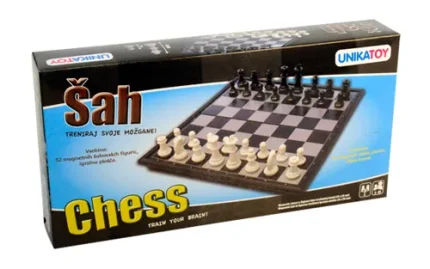
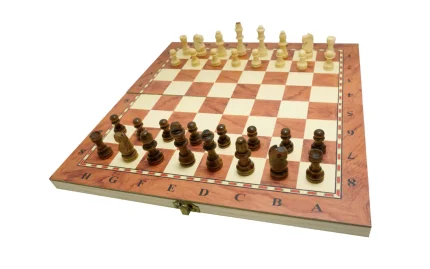
Chess Boards: Available in wood, vinyl, plastic, or magnetic options for portability.
-
Chess Pieces: The classic Staunton design is standard for tournaments; collectible sets offer artistic flair.
-
Chess Clocks: Essential for timed games to ensure fair play.
-
Storage Cases: Protect and organize your set when not in use.
Choosing a set that fits your style and needs makes playing more enjoyable.
Chess in the Modern World
Thanks to online platforms like Chess.com, Lichess, and others, chess has seen a resurgence in popularity. Streaming services and YouTube channels feature tutorials, live games, and commentary, making chess accessible globally.
Educational programs integrate chess into school curriculums to harness its academic benefits. Moreover, international chess tournaments continue to captivate millions, showcasing top-level play and innovation.
Why Chess Remains a Beloved Classic
Chess combines centuries of tradition with a timeless challenge. It sharpens the mind, fosters creativity, and connects diverse communities worldwide. Whether you seek a casual hobby, a competitive sport, or a lifelong intellectual pursuit, chess welcomes you with open arms.
Begin your chess journey today and experience the magic of this ancient yet ever-evolving game.