Filter by brand

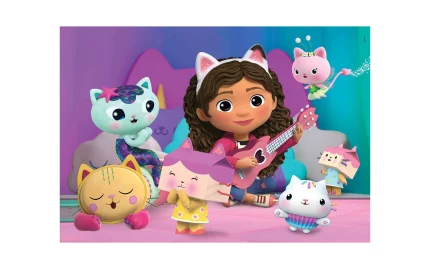
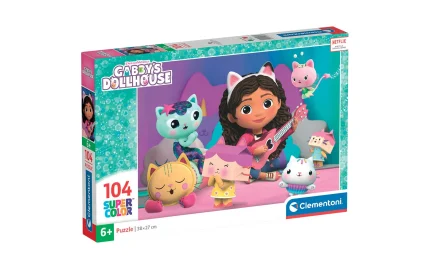
Gabby’s Dollhouse Clementoni Puzzle, 104 pieces
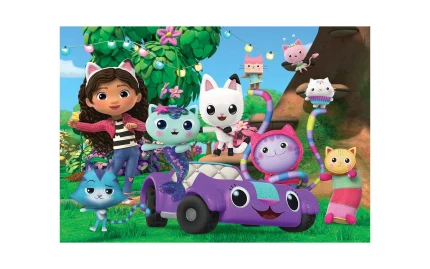
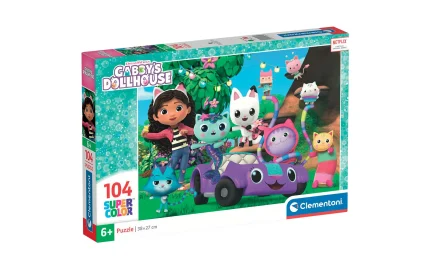
Gabby’s Dollhouse II Clementoni puzzle, 104 pieces
Recommended Age for Puzzles: 6 Years and Up
Puzzles remain a beloved and educational toy choice as children grow. When puzzles are labeled as recommended for ages 6 years and up, they are designed to match the developmental milestones of school-age children who are ready for more complex challenges. At six years old and beyond, kids experience notable cognitive, physical, and social development that allows them to engage with puzzles in new and exciting ways.
This article delves into why puzzles for ages six and up are so beneficial, the developmental skills they nurture, how to choose appropriate puzzles, and tips to make puzzle time both educational and fun.
Developmental Milestones at Age 6 and Older
Cognitive Advancements
By the time children reach six years, their cognitive abilities have advanced significantly. They can understand complex instructions, recognize patterns and shapes, and think critically. Their memory improves, allowing them to recall the shapes and images they’ve seen, which helps in puzzle assembly.
This age group benefits from puzzles that feature more pieces—often ranging from 100 to 200 or more—and more intricate images. These puzzles challenge children to think ahead, test hypotheses about piece placement, and develop strategies, all of which support executive functioning skills like planning and problem-solving.
Improved Fine Motor Skills
At six years and older, children exhibit better hand-eye coordination and dexterity. They can manipulate smaller and more numerous puzzle pieces with greater precision. This refined motor skill is essential not only for puzzle assembly but also for school-related tasks such as writing and arts and crafts.
Social and Emotional Development
Children in this age group increasingly enjoy collaborative play. Puzzles can be an excellent way to develop teamwork, patience, and communication skills. Completing puzzles together fosters a sense of accomplishment and boosts self-esteem.
Educational Benefits of Puzzles for Ages 6 and Up
Enhanced Problem-Solving Skills
Puzzles for six-year-olds push children to use logic and reasoning to solve problems. They learn how to break down a large task into smaller, manageable parts and how to test different piece placements. These skills transfer to academic subjects like math and science.
Boosting Memory and Concentration
Completing a puzzle requires remembering shapes, colors, and piece locations. This activity strengthens both short-term and working memory. Additionally, puzzles encourage sustained concentration, helping children develop longer attention spans necessary for schoolwork.
Encouraging Creativity and Imagination
Many puzzles designed for this age group include elaborate scenes from nature, cityscapes, fantasy worlds, or famous artworks. These images inspire children’s imagination and can lead to storytelling, drawing, and role-playing based on the puzzle themes.
Fine Motor Skill Refinement
Handling small puzzle pieces develops finger dexterity and bilateral coordination, which are crucial for precise movements. These skills support academic writing, typing, and everyday tasks.
Choosing the Right Puzzle for a 6-Year-Old
Puzzle Piece Count and Complexity
Puzzles for children aged six and above typically feature between 100 to 200 pieces, striking a balance between challenge and achievable success. The pieces should be of manageable size—small enough to challenge but large enough to handle comfortably.
Engaging and Educational Themes
Select puzzles that match the child’s interests, whether animals, space, dinosaurs, sports, or landmarks. Educational themes that teach geography, history, or science add extra value.
Quality and Safety
Choose puzzles made from sturdy cardboard or wood, printed with safe, vibrant inks. Durable puzzles withstand active handling and provide lasting enjoyment.
Age-Appropriate Difficulty
Avoid puzzles that are too simple, which may bore the child, or too difficult, which may lead to frustration. Gradually increasing puzzle difficulty helps maintain interest and builds confidence.
Popular Puzzle Types for Ages 6 and Up
Classic Jigsaw Puzzles
The standard jigsaw puzzle remains the most popular. For six-year-olds, puzzles with 100-200 pieces feature vivid images and challenging shapes that encourage critical thinking.
3D and Puzzle Globes
These puzzles add a spatial dimension by allowing children to build three-dimensional objects, enhancing their understanding of form and structure.
Educational and Thematic Puzzles
Maps, solar system puzzles, or historical scene puzzles teach facts while engaging problem-solving skills.
Floor Puzzles
Large, durable floor puzzles are perfect for group activities or children who enjoy assembling puzzles on a bigger scale.
Tips for Supporting Puzzle Play in Children 6 Years and Older
Create a Dedicated Puzzle Area
Set up a comfortable, well-lit space with enough room for assembling puzzles and storing pieces.
Encourage Independent Problem Solving
Allow children to try different approaches on their own before offering help, fostering independence.
Celebrate Successes
Praise efforts and completed puzzles to boost confidence and motivation.
Incorporate Group Play
Invite friends or family members to work on puzzles together, promoting social skills.
Link Puzzle Themes to Learning
Discuss the puzzle’s subject matter to deepen understanding and spark curiosity.
Signs Your Child Is Ready for More Challenging Puzzles
If your child finishes 100-piece puzzles easily, it might be time to introduce more complex puzzles with more pieces or intricate designs. Observe their patience and problem-solving strategies to gauge readiness for the next level.
The Importance of Puzzles for Children Ages 6 and Up
Puzzles designed for children six years and older provide rich opportunities to develop a wide range of skills. From enhancing critical thinking and fine motor skills to fostering creativity and social interaction, puzzles are a versatile and enjoyable learning tool. Choosing age-appropriate puzzles that balance challenge and fun ensures children stay engaged and benefit maximally from puzzle play.
Supporting puzzle activities for kids 6+ nurtures essential skills for academic success and lifelong problem-solving abilities. Whether working alone or with others, puzzle play at this age is a valuable investment in your child’s cognitive and emotional development.