Detective game

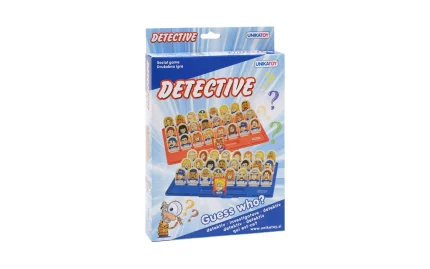
Game Detective, Unikatoy
Detective Games: Unravel Mysteries and Boost Your Brainpower
Detective games have become a favorite pastime for mystery lovers, puzzle enthusiasts, and anyone who enjoys immersive storytelling combined with critical thinking. These games put players in the shoes of detectives, challenging them to solve complex cases by gathering clues, analyzing evidence, and piecing together narratives.
Whether you’re playing a physical board game, an escape room challenge, or a digital interactive experience, detective games offer hours of engaging fun and mental stimulation. This article explores the world of detective games, their types, benefits, popular examples, and tips for getting started.
What Are Detective Games?
Detective games are interactive puzzles or story-driven challenges where players adopt the role of a detective. The goal is to solve a mystery—often a crime such as a theft, murder, or disappearance—by uncovering clues, interrogating suspects, and logically deducing what happened.
Unlike many traditional games focused on luck or fast reflexes, detective games emphasize critical thinking, problem-solving, and attention to detail. Players must observe carefully, connect dots, and think creatively to crack the case.
Popular Types of Detective Games
1. Board Games
Detective board games like Clue (Cluedo) or Sherlock Holmes Consulting Detective allow players to gather evidence, interview suspects, and solve mysteries in a social setting. These games often feature detailed narratives and require teamwork or competitive strategy.
2. Escape Room Games
Escape room detective games recreate the thrill of physical escape rooms in a boxed game or digital format. Players work together to solve puzzles and riddles within a time limit, often uncovering a hidden story as they progress.
3. Video Games
Digital detective games span from story-driven adventure games like L.A. Noire or The Wolf Among Us to puzzle-solving mobile apps. These games often combine rich storytelling with interactive elements such as dialogue choices and forensic analysis.
4. Role-Playing Games (RPGs)
In RPGs with detective themes, players assume the identity of a detective character, navigating through fictional worlds, investigating cases, and interacting with other characters to uncover truths.
Why Play Detective Games?
Enhance Critical Thinking and Logic
Detective games require players to analyze clues, identify inconsistencies, and solve complex problems. This sharpens reasoning and logical skills valuable in everyday life.
Improve Attention to Detail
Success depends on noticing subtle clues and patterns that others might miss, fostering better observation skills.
Boost Memory and Cognitive Skills
Tracking evidence, suspect alibis, and timelines challenges players’ memory and multitasking abilities.
Foster Teamwork and Communication
Many detective games are cooperative, encouraging players to share insights and collaborate effectively.
Enjoy Immersive Storytelling
Detective games often feature compelling narratives, drawing players into intriguing worlds filled with suspense and drama.
How to Get Started with Detective Games
Choose the Right Game Type
Decide whether you prefer board games, digital adventures, or physical escape rooms. Consider your group size, experience level, and interests.
Start with Beginner-Friendly Titles
Games like Clue or simple mobile detective apps are perfect for newcomers. As you gain confidence, try more complex titles.
Pay Attention to Details
Practice observing everything—clues, character behaviors, timelines—and taking notes if needed.
Discuss and Collaborate
If playing with others, communicate openly. Share findings and theories to piece together the mystery.
Use Resources Wisely
Some detective games come with guides, hint cards, or online forums to help if you get stuck.
Popular Detective Games to Explore
-
Clue (Cluedo): The classic board game where players deduce who committed the murder, with what weapon, and where.
-
Sherlock Holmes Consulting Detective: A cooperative game immersing players in Victorian London mysteries.
-
Escape Room: The Game: A boxed escape room experience with timed puzzles.
-
L.A. Noire: A video game blending open-world exploration with crime-solving interrogations.
-
Detective: A Modern Crime Board Game: A complex and immersive modern detective game involving real-world databases.
Detective Games for Different Age Groups
Detective games are highly adaptable for various ages and skill levels:
-
Kids: Simpler games with bright visuals and basic puzzles foster curiosity and logic.
-
Teens: More complex mysteries and cooperative challenges develop teamwork and critical thinking.
-
Adults: Deep narratives and challenging puzzles provide intellectual stimulation and social interaction.
Hosting a Detective Game Night
Planning a detective game event? Here are some tips:
-
Select Suitable Games: Match the game’s difficulty to your group.
-
Create the Atmosphere: Use themed decorations, lighting, and music to immerse players.
-
Encourage Teamwork: Divide players into teams or play cooperatively.
-
Provide Snacks and Breaks: Keep energy up for longer sessions.
-
Offer Prizes: Add motivation with small awards for the best detective or fastest team.
Final Thoughts: Dive Into the World of Detective Games
Detective games are a fantastic way to challenge your mind, enjoy captivating stories, and connect with friends or family. Their combination of mystery, strategy, and social interaction makes them uniquely entertaining and intellectually rewarding.
Whether you’re solving a whodunit on a board game or piecing together clues in a video game, detective games offer endless intrigue and fun. Start your detective journey today and unlock the thrill of uncovering hidden truths!