Football
Filter by brand


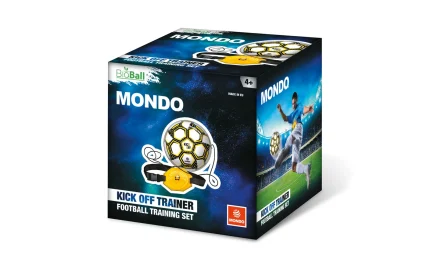


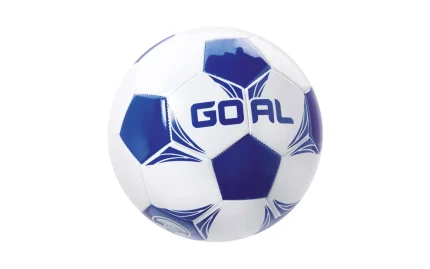
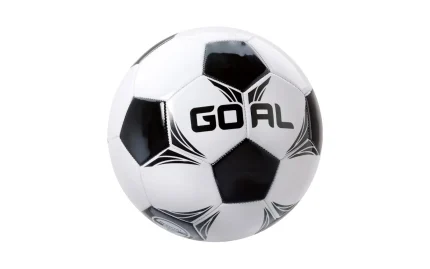
Football is one of the most beloved and widely played sports worldwide, and it offers incredible benefits for children who take part in it. Whether playing casually in the backyard, joining a local team, or dreaming of becoming the next big star, football (or soccer, as it’s called in some countries) is a fantastic way for kids to stay active, develop skills, and enjoy social interaction.
Why Football is Great for Kids
Football is a highly accessible sport that requires minimal equipment, making it easy for children of all ages to get involved. Here are some reasons why football is perfect for kids:
-
Physical Fitness: Running, kicking, jumping, and quick changes of direction help improve cardiovascular health, muscle strength, and overall endurance.
-
Coordination and Agility: Dribbling, passing, and shooting improve hand-eye coordination, foot-eye coordination, and fine motor skills.
-
Teamwork and Communication: Football is a team sport that teaches children how to cooperate, communicate effectively, and work toward a common goal.
-
Discipline and Focus: Learning game rules and strategies helps develop discipline, concentration, and problem-solving skills.
-
Social Development: Playing football allows kids to build friendships, develop empathy, and learn how to handle wins and losses graciously.
-
Confidence Building: Scoring goals and contributing to a team’s success boosts self-esteem and motivation.
Types of Football for Children
There are various forms of football that cater to children’s different interests and skill levels:
-
Traditional Outdoor Football: Played on grass or turf fields with teams of 11 players, outdoor football is the classic and most popular version.
-
Indoor Football (Futsal): A fast-paced game played indoors with smaller teams and a smaller ball, great for developing ball control and quick decision-making.
-
Flag Football: A non-contact variant where players remove flags from opponents instead of tackling, making it safer for younger kids.
-
Street Football: Informal games played on playgrounds, driveways, or parks, encouraging creativity and freestyle skills.
-
5-a-Side Football: Smaller teams playing on reduced-size pitches, focusing on close control and passing skills.
Essential Football Equipment for Kids
Playing football requires some basic equipment to ensure safety and improve performance:
-
Football Ball: Children’s footballs come in different sizes (size 3 for young kids, size 4 for older kids). The right size ensures comfortable handling and proper technique development.
-
Football Shoes (Cleats): Special shoes provide traction and support on various surfaces, preventing slips and injuries.
-
Shin Guards: These protect children’s lower legs from kicks and collisions.
-
Comfortable Clothing: Breathable sportswear allows ease of movement during active play.
-
Goalkeeper Gloves: For kids playing as goalkeepers, gloves improve grip and protect hands.
How Football Supports Child Development
Football is not just about scoring goals; it’s a holistic activity that supports children’s development in several areas:
-
Physical Growth: Football promotes cardiovascular fitness, muscular strength, flexibility, and overall body coordination.
-
Cognitive Skills: Strategy, quick thinking, and spatial awareness are essential for playing football, enhancing cognitive abilities.
-
Emotional Intelligence: Handling pressure during matches and learning from mistakes help children develop resilience and emotional control.
-
Social Skills: Football fosters team spirit, cooperation, and communication, all crucial for social interaction.
-
Goal Setting: Kids learn to set personal and team goals, fostering a sense of purpose and achievement.
Tips for Parents to Encourage Football Participation
Parents play a vital role in encouraging children’s interest in football:
-
Create a Positive Environment: Focus on fun and learning rather than just winning.
-
Practice Regularly: Encourage regular practice of basic skills like dribbling and passing.
-
Attend Matches: Support your child by watching their games and cheering them on.
-
Provide the Right Gear: Ensure your child has properly fitting equipment.
-
Encourage Teamwork: Teach the value of teamwork and sportsmanship.
-
Keep it Safe: Make sure children warm up properly and follow safety guidelines.
Popular Football Games and Drills for Kids
To keep football engaging and develop skills, various drills and mini-games can be incorporated:
-
Dribbling Drills: Cone courses to improve ball control.
-
Passing Games: Partner passing or small team passing drills.
-
Shooting Practice: Target shooting to improve accuracy.
-
Mini Matches: Short-sided games to develop tactical understanding.
-
Relay Races: Combine running and ball control for fitness and fun.
Football as a Social Activity
Football provides a wonderful opportunity for children to meet peers and make friends. Being part of a team helps kids feel a sense of belonging and learn how to interact respectfully with others. The social skills gained on the pitch often translate into other areas of life, including school and family.
The Joy of Playing Football Outdoors
Playing football outdoors allows children to enjoy fresh air, sunshine, and open space. Outdoor play contributes to better mental health and encourages a healthy lifestyle. Whether it’s kicking the ball around at home or playing organized matches, the outdoor environment enhances the overall experience.
Football and Healthy Competition
Learning to compete in a healthy way is one of the great lessons football teaches. Children learn how to deal with winning graciously and losing with dignity. Coaches and parents can help by emphasizing effort and improvement over results.
Choosing the Right Football for Your Child
When buying a football for kids, consider the following:
-
Size: Size 3 is ideal for kids under 8; size 4 for ages 8-12; size 5 for teens and adults.
-
Material: Look for durable, high-quality synthetic leather or PVC.
-
Weight: Lighter balls are easier for young children to kick and control.
-
Design: Fun colors and patterns can motivate children to play more.
Maintaining Football Gear
Proper care of football gear ensures longevity and safety:
-
Clean balls with a damp cloth to remove dirt.
-
Air out shoes and shin guards after use to prevent odors.
-
Check equipment regularly for wear and tear.
-
Store gear in a dry, ventilated place.