Frisbee
Filter by brand


Aerobie Pro Lite Flying Disc, Spin Master

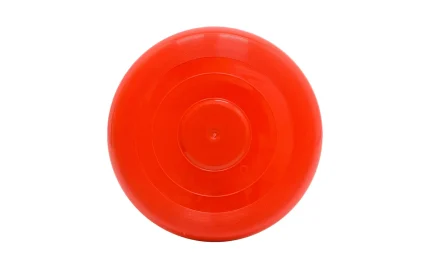
Colored Frisbee, FI 27 cm


Flying ring Pro Blade, Aerobie, Spin Master


Frisbee is a fun and active outdoor game loved by kids of all ages. It’s a simple yet exciting way to encourage physical activity, improve coordination, and enjoy time with family and friends. Whether at the park, beach, or backyard, Frisbee offers endless entertainment and valuable developmental benefits for children.
What is a Frisbee?
A Frisbee is a lightweight, flat, round flying disc designed to be thrown and caught. Originally popularized as a casual sport and leisure activity, Frisbee has grown into organized games like Ultimate Frisbee and Disc Golf. For kids, playing with a Frisbee combines exercise, social interaction, and hand-eye coordination in a safe and enjoyable way.
Benefits of Playing Frisbee for Children
Playing Frisbee brings numerous advantages that contribute to a child’s physical, cognitive, and social development:
-
Improves Hand-Eye Coordination: Catching and throwing the disc require precise timing and control.
-
Boosts Physical Fitness: Running, jumping, and throwing help build strength, endurance, and agility.
-
Enhances Motor Skills: The varied throwing techniques improve fine and gross motor skills.
-
Encourages Social Interaction: Frisbee is often a group game, helping children learn teamwork, communication, and sportsmanship.
-
Promotes Outdoor Play: Encourages kids to spend time outside, connecting with nature and reducing screen time.
-
Builds Focus and Concentration: Tracking the flying disc and planning throws improve mental alertness.
-
Supports Inclusivity: Suitable for children of all skill levels and ages, including those with different abilities.
Types of Frisbee Games for Kids
Frisbee can be played in multiple ways, each offering unique experiences and challenges:
-
Casual Catch: Simple back-and-forth throwing between two players, perfect for beginners.
-
Ultimate Frisbee: A team sport combining elements of soccer and football, focused on passing the disc to score points.
-
Disc Golf: Players throw discs into target baskets, similar to golf, aiming for accuracy and distance.
-
Freestyle Frisbee: Players perform tricks, spins, and catches for creative and artistic expression.
-
Frisbee Tag: A fun, active game where players try to tag others by hitting them with the disc (soft throws only).
-
Distance Throwing: Competitions to see who can throw the disc the farthest.
Choosing the Right Frisbee for Children
Selecting the proper Frisbee is essential to maximize enjoyment and safety for kids:
-
Material: Most Frisbees are made of plastic, but softer, flexible discs are better for younger children to avoid injury.
-
Size and Weight: Lightweight discs with a diameter of 8 to 10 inches are ideal for children.
-
Grip: Look for discs with textured edges for better grip and control.
-
Durability: Choose sturdy Frisbees that can withstand rough play outdoors.
Safety Tips for Playing Frisbee
Although Frisbee is generally safe, following some safety guidelines ensures a fun experience:
-
Play in Open Spaces: Avoid crowded areas, roads, or places with obstacles.
-
Use Soft Frisbees for Young Kids: Prevent injuries by using discs designed for gentle play.
-
Warm-up: Encourage kids to stretch and warm up before playing to avoid strains.
-
Supervise Young Children: Keep an eye on little ones to prevent accidents.
-
Teach Proper Throwing Techniques: Help children learn how to throw and catch correctly to minimize the risk of injury.
Skills Development through Frisbee
Frisbee is a great tool for developing various physical and mental skills:
-
Throwing Techniques: Kids learn different throws such as backhand, forehand, and hammer throw.
-
Catching Skills: Practice different catching styles including two-handed, one-handed, and clap catches.
-
Running and Agility: Chasing after the disc develops speed and quick reflexes.
-
Team Strategy: In team games, children learn tactics, positioning, and cooperation.
-
Problem Solving: Adjusting throws and catches based on wind and distance hones critical thinking.
Frisbee and Social Interaction
Playing Frisbee promotes healthy social development. Children develop communication skills by calling for the disc, making passes, and celebrating successes. Team Frisbee games teach collaboration, respect, and fair play. It’s also an inclusive activity that welcomes kids of all abilities, fostering friendship and a sense of community.
Outdoor Fun with Frisbee
Frisbee encourages children to get outside and enjoy nature. The fresh air, sunshine, and open space contribute to overall well-being and happiness. Playing Frisbee in parks, beaches, or backyards is a perfect way for families to bond and stay active together.
Incorporating Frisbee into Physical Education
Many schools and youth programs include Frisbee as part of physical education curricula because it combines fitness with fun. It’s a cost-effective sport that requires minimal equipment, making it accessible to all children. Coaches often use Frisbee drills to teach teamwork, hand-eye coordination, and cardiovascular fitness.
How to Teach Kids to Play Frisbee
Teaching kids Frisbee can be simple and enjoyable:
-
Start with Basic Throws: Demonstrate and practice the backhand throw, which is the easiest to learn.
-
Encourage Practice: Regular play improves skills and builds confidence.
-
Introduce Catching Games: Use games that emphasize catching to build hand-eye coordination.
-
Make It Fun: Include challenges, races, and mini-games to keep children engaged.
-
Be Patient: Each child learns at their own pace, so encouragement is key.
Variations and Creative Play Ideas
Frisbee’s versatility allows for creative variations to keep children entertained:
-
Frisbee Obstacle Course: Set up cones and objects to run around while throwing and catching.
-
Target Practice: Use buckets or hoops as targets to improve accuracy.
-
Team Relay Races: Combine running and Frisbee passing in relay formats.
-
Glow-in-the-Dark Frisbee: Perfect for evening play, adding excitement with glowing discs.