Bowling pins


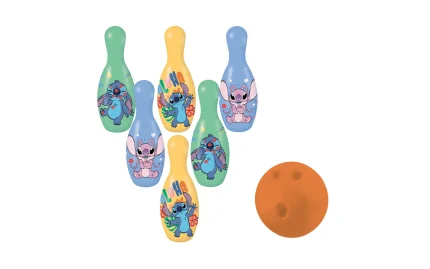
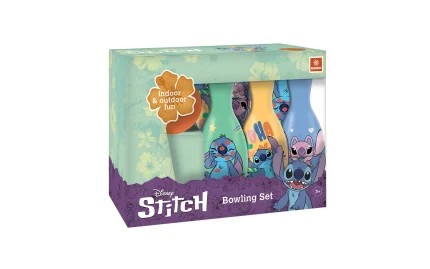


Bowling pins are essential components of the classic game of bowling, a sport enjoyed by millions worldwide. Whether in professional alleys or backyard setups, bowling pins create the challenge and excitement that make bowling a favorite pastime. Understanding the history, design, and types of bowling pins can enhance your appreciation for this fun and competitive sport.
What Are Bowling Pins?
Bowling pins are the targets that players aim to knock down by rolling a bowling ball down a lane. Standard bowling uses ten pins arranged in a triangular formation at the end of a lane. Each pin stands upright, waiting to be toppled in a satisfying crash. The pins are crafted to precise specifications to ensure consistency in gameplay, providing a fair and exciting challenge.
History of Bowling Pins
Bowling itself dates back thousands of years, with variations played in ancient Egypt and Rome. The modern ten-pin bowling game evolved in Europe during the Middle Ages and later gained popularity in the United States. Bowling pins, originally handmade from wood, have evolved alongside the sport. Today, they are crafted using advanced manufacturing techniques to meet the demands of professional and recreational play.
Construction and Design
Traditionally, bowling pins are made from hard rock maple wood. Each pin is shaped with a narrow neck, a wider body, and a flat base to provide stability. Modern pins are coated with a plastic material called "Surlyn," which protects the wood and increases durability. This coating also affects how the pins react when struck, contributing to the game’s dynamics.
Standard Bowling Pin Specifications
Official ten-pin bowling pins adhere to strict regulations:
-
Height: Approximately 15 inches (38 cm)
-
Weight: Between 3 pounds 6 ounces and 3 pounds 10 ounces (1.5 kg to 1.6 kg)
-
Shape: A symmetrical hourglass form for balanced tipping
-
Material: Hard maple wood with a plastic coating
These precise specifications ensure every pin behaves consistently during play.
Types of Bowling Pins
While ten-pin bowling pins are the most familiar, there are other types of bowling pins used in different variations of the sport:
-
Ten-Pin Bowling Pins: The standard pins used in most bowling alleys.
-
Candlepin Bowling Pins: Taller and thinner pins used mainly in parts of the U.S. and Canada.
-
Duckpin Bowling Pins: Smaller and squatter than ten-pins, used in a specific variation popular in the northeastern U.S.
-
Five-Pin Bowling Pins: Used in Canada, these pins are smaller and lighter with a distinctive triangular setup.
Each type caters to a unique style of bowling, offering different challenges and strategies.
Bowling Pins in Recreational Play
Bowling pins are not just for alleys—they’re great for outdoor and home fun. Many families and friends enjoy setting up portable bowling sets in gardens, parks, or basements. Lightweight plastic pins are popular for backyard bowling games, providing safe and convenient entertainment for all ages.
How Bowling Pins Affect Gameplay
The design and quality of bowling pins significantly influence the game. High-quality pins respond predictably to ball impact, allowing players to develop skillful techniques like strikes and spares. In professional leagues, consistent pin behavior is critical for fair competition. Recreational players also benefit from well-made pins that encourage skill development and fun.
Tips for Bowling with Pins
If you’re new to bowling or just want to improve your game, understanding how pins react can help:
-
Aim for the Pocket: The space between the 1 and 3 pins (for right-handers) or 1 and 2 pins (for left-handers) offers the best chance for a strike.
-
Use Proper Speed: Rolling the ball too fast or too slow can affect pin action.
-
Follow Through: A smooth, controlled throw helps guide the ball toward the pins.
-
Watch Pin Action: Observing how pins fall helps you plan your next throw.
Caring for Bowling Pins
If you have your own set of bowling pins at home, taking care of them ensures longer use:
-
Keep Them Clean: Wipe pins after play to remove dirt and dust.
-
Avoid Moisture: Store pins in a dry place to prevent wood damage.
-
Check for Cracks: Replace pins that are cracked or heavily damaged.
-
Use Protective Covers: When transporting, covers prevent scratches and dents.
Fun Facts About Bowling Pins
-
Professional bowling pins can withstand thousands of hits before needing replacement.
-
The distinctive sound of pins crashing is part of the sport’s charm.
-
Some bowling alleys use pinsetters—machines designed to reset pins automatically.
-
Bowling pins have appeared in movies and pop culture as symbols of fun and competition.
Bowling Pins for Kids and Beginners
For younger players or beginners, lightweight plastic pins are ideal. These are safer, easier to handle, and suitable for casual play. Some sets include colorful pins or smaller sizes, making the game accessible and fun for all ages.
Bowling Pin Sets and Accessories
Bowling pin sets come in various packages, from full ten-pin kits to mini portable versions. Accessories like carrying bags, bowling balls, and lane mats complement the pins, creating a complete bowling experience at home or on the go.
Bowling pins remain an iconic part of a beloved sport that combines skill, strategy, and fun. Whether you enjoy competitive league bowling, casual backyard games, or family fun days, understanding the role of bowling pins can deepen your appreciation and enhance your play. Embrace the challenge, learn the techniques, and enjoy the timeless thrill of knocking down those pins!