
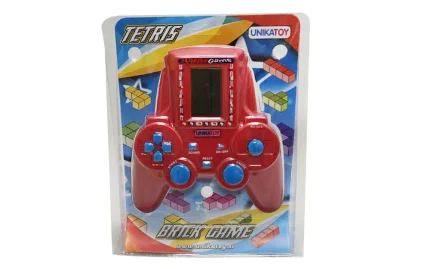
Tetris Game: The Iconic Puzzle That Never Gets Old
The Tetris game is one of the most famous and enduring video games in history. Since its creation in 1984, Tetris has captured the imagination of millions worldwide with its simple yet addictive gameplay. Combining quick thinking, spatial awareness, and strategic planning, Tetris remains a favorite for casual and serious gamers alike.
This article dives deep into what makes Tetris so special, its gameplay mechanics, benefits, variations, and why it continues to be a cultural phenomenon decades after its debut.
What Is Tetris?
Tetris is a tile-matching puzzle game originally developed by Russian software engineer Alexey Pajitnov. The objective is straightforward: players must manipulate falling tetrominoes—geometric shapes made of four square blocks—by rotating and moving them to fit together and complete horizontal lines without gaps.
When a full line is formed, it disappears, earning points and clearing space for more shapes. The game speeds up over time, increasing the challenge and excitement.
How to Play Tetris
Playing Tetris is easy to learn but hard to master. Here’s a quick overview:
-
Controls: Use arrow keys or touchscreen gestures to move, rotate, or drop tetrominoes.
-
Goal: Arrange the pieces to form complete horizontal lines.
-
Clearing Lines: Completed lines vanish, preventing the pile from reaching the top.
-
Game Over: The game ends if the stacked blocks reach the top of the playfield.
Players must think ahead to place shapes efficiently, balance clearing lines with managing space, and react quickly as the game speeds up.
The Classic Appeal of Tetris
Tetris’s charm lies in its minimalist design and highly engaging gameplay. Unlike complex games with intricate stories, Tetris focuses solely on spatial problem-solving and reaction time, making it universally accessible.
Its colorful blocks and catchy music also enhance the experience, creating a hypnotic effect that players often describe as “flow” — a state of intense focus and immersion.
Benefits of Playing Tetris
Beyond entertainment, Tetris offers cognitive and psychological benefits:
1. Enhances Spatial Awareness
Arranging falling blocks improves visual-spatial reasoning — the ability to visualize and manipulate objects in space.
2. Improves Problem-Solving Skills
Players must plan ahead and adapt strategies based on the next tetrominoes, fostering flexible thinking.
3. Boosts Memory and Concentration
Remembering shapes and focusing on timely moves strengthens working memory and attention.
4. Stress Relief and Relaxation
The rhythmic gameplay and satisfying line clears provide calming effects, reducing anxiety for many players.
5. Increases Hand-Eye Coordination
Quick responses to falling blocks enhance reflexes and coordination.
Popular Versions and Variations of Tetris
Over the years, Tetris has been released on nearly every gaming platform imaginable, from early computers and consoles to smartphones and smart TVs. Some notable versions include:
-
Classic Tetris: The original 2D version beloved by purists.
-
Tetris 99: A battle royale-style version where 99 players compete online to be the last standing.
-
Tetris Effect: A visually stunning, music-driven experience that combines gameplay with immersive audiovisual effects.
-
Puyo Puyo Tetris: A mash-up with another popular puzzle game, adding competitive modes and unique challenges.
Each version offers unique twists while retaining the core gameplay that defines Tetris.
Tetris in Popular Culture
Tetris is more than a game; it’s a cultural icon. Its instantly recognizable blocks have appeared in art, fashion, music, and advertising. The “Tetris theme” music — a catchy Russian folk tune called “Korobeiniki” — is instantly associated with the game and often used in media.
Tetris has also inspired scientific research, including studies on how playing the game can help with brain injuries and PTSD, highlighting its therapeutic potential.
Tips to Improve Your Tetris Skills
Whether you’re a beginner or an experienced player, here are some tips to boost your performance:
-
Plan Ahead: Always keep an eye on the next tetromino and plan your moves accordingly.
-
Keep It Clean: Avoid leaving gaps or holes in your stack to maximize line clears.
-
Master Rotations: Learn how each piece rotates and fits in different spaces.
-
Stay Calm: As speed increases, maintain composure to make precise moves.
-
Practice Regularly: Like any skill, consistent practice leads to improvement.
Why Tetris Remains Relevant Today
Tetris’s timeless appeal comes from its simple yet challenging gameplay that transcends age, language, and culture. It’s a perfect example of how minimalism in design can create deep, meaningful play experiences.
In an era dominated by complex, narrative-driven games, Tetris reminds us that sometimes the best fun comes from pure gameplay mechanics. Its accessibility on mobile devices and digital platforms ensures that new generations continue to enjoy the classic puzzle.
Where to Play Tetris
Tetris games are widely available across multiple platforms:
-
Mobile: iOS and Android have numerous Tetris apps, some free and others premium.
-
Consoles: Nintendo Switch, PlayStation, and Xbox feature official Tetris games.
-
PC: Classic versions and modern adaptations can be found on Steam and other digital stores.
-
Web: Browser-based Tetris games allow quick access without downloads.
Choosing the right platform depends on your preferred gameplay style, whether casual or competitive.
Dive Into the World of Tetris
The Tetris game is a timeless puzzle classic that continues to challenge and entertain millions worldwide. Its simple rules, addictive gameplay, and cognitive benefits make it a perfect choice for anyone looking for fun and mental exercise.
Whether you’re a newcomer or a seasoned player, Tetris offers endless possibilities to improve your skills, relieve stress, and enjoy a truly iconic gaming experience.
Spin, stack, and clear your way to victory with Tetris — the puzzle game that never goes out of style!