Filter by brand


Baby plush elephant pull toy, 18 cm, Unikatoy
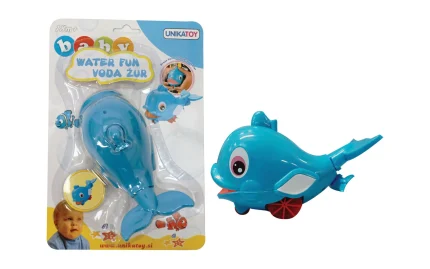
Dolphin on a water pull with a squirt, Unikatoy


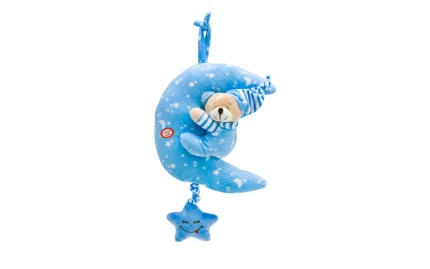

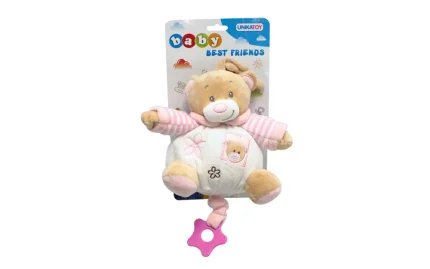
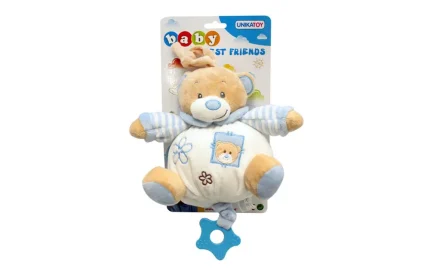
Sensory Toys for Babies: Stimulating Growth Through Play
Sensory toys for babies are essential tools that promote exploration and development during the earliest stages of life. These specially designed toys stimulate a baby’s senses—touch, sight, sound, smell, and sometimes even taste—helping to develop their brain and physical skills. By introducing sensory toys early, parents and caregivers can support healthy cognitive, motor, and emotional growth in infants.
This comprehensive guide explains the importance of sensory toys, the types available, how to choose the best sensory toys for your baby, and the benefits these toys provide.
What Are Sensory Toys for Babies?
Sensory toys are designed to engage one or more of a baby’s five senses. Unlike traditional toys, sensory toys focus on multi-sensory experiences to encourage exploration and learning. They often feature different textures, colors, sounds, shapes, and sometimes scents to capture a baby’s attention and promote interaction.
Examples of sensory toys include textured balls, rattles, soft books with crinkly pages, teething rings, musical toys, and activity mats. These toys encourage babies to touch, listen, look, and sometimes even taste, laying the foundation for critical developmental skills.
Why Are Sensory Toys Important for Babies?
Enhancing Brain Development
The brain develops rapidly during infancy, and sensory input plays a crucial role in shaping neural connections. Sensory toys provide varied stimuli that encourage the brain to form new pathways, boosting cognitive growth.
Encouraging Motor Skills
Manipulating sensory toys helps babies develop fine and gross motor skills. Grasping textured objects or pressing buttons on musical toys enhances hand-eye coordination and dexterity.
Improving Sensory Processing
Babies learn to process and respond to sensory information by interacting with sensory toys. This helps build sensory integration skills necessary for daily functioning.
Supporting Emotional Development
Sensory play can soothe and comfort babies, reducing fussiness and anxiety. It also fosters curiosity and confidence as babies learn to explore their environment safely.
Types of Sensory Toys for Babies
Textured Toys
These toys feature a variety of surfaces such as bumps, ridges, or soft fabrics to stimulate the sense of touch. Examples include sensory balls, plush toys with different fabrics, and tactile books.
Musical and Sound Toys
Toys that produce gentle sounds or music encourage auditory development. Rattles, bells, or toys with buttons that play melodies help babies recognize different sounds and rhythms.
Visual Sensory Toys
Bright colors, high-contrast patterns, and moving parts captivate a baby’s visual attention. Mobiles, patterned blocks, and toys with mirrors encourage visual tracking and focus.
Teething and Chewing Toys
These safe, often silicone-based toys provide both sensory input and relief during teething. They stimulate the mouth and hands, supporting oral motor development.
Multi-Sensory Toys
Some toys combine multiple sensory elements like texture, sound, and color in one. Activity gyms, play mats with various attachments, and interactive plush toys fall into this category.
How to Choose the Best Sensory Toys for Babies
Safety Considerations
Always select sensory toys made from non-toxic, BPA-free materials. Ensure toys have no small parts that could pose choking hazards and are durable enough to withstand chewing and rough play.
Age Appropriateness
Choose toys that match your baby’s developmental stage. For newborns, high-contrast and soft textured toys work best. Older babies benefit from toys with more interactive elements like buttons, sounds, and complex textures.
Stimulating but Not Overwhelming
Sensory toys should engage your baby’s senses without causing overstimulation. Avoid toys with excessively loud noises or very bright flashing lights.
Easy to Clean
Since babies often put toys in their mouths, opt for sensory toys that can be easily cleaned and sanitized.
Benefits of Sensory Toys for Babies
Boosts Cognitive Skills
By exploring different sensory inputs, babies develop early problem-solving abilities and learn to make connections between actions and reactions.
Develops Fine and Gross Motor Skills
Handling and manipulating toys strengthens muscles and improves coordination, crucial for crawling, grasping, and eventually walking.
Enhances Language Development
Sensory toys encourage vocalization and interaction. When parents talk about colors, sounds, and textures during play, babies develop early language and communication skills.
Fosters Social Interaction
Playing with sensory toys alongside parents or other children promotes bonding and social learning.
Tips for Using Sensory Toys Effectively
-
Rotate Toys Regularly: Introducing new toys or rotating existing ones keeps your baby engaged and offers diverse sensory experiences.
-
Engage with Your Baby: Play together using sensory toys to encourage interaction, communication, and learning.
-
Incorporate Sensory Play in Daily Routine: Use sensory toys during tummy time, diaper changes, or quiet play to maximize learning opportunities.
-
Observe Your Baby’s Preferences: Every baby responds differently—notice which textures or sounds your baby enjoys most and tailor playtime accordingly.
-
Supervise Playtime: Always supervise to ensure safe use and prevent choking or other hazards.
Sensory toys are invaluable tools for stimulating your baby’s development across multiple domains. From enhancing brain growth to improving motor skills and emotional wellbeing, sensory toys offer a rich, engaging way for babies to explore the world around them. By choosing safe, age-appropriate sensory toys and incorporating them into everyday play, you set the stage for healthy, happy development.
Investing in quality sensory toys ensures your baby’s early experiences are both fun and educational, nurturing their curiosity and helping them reach important developmental milestones.