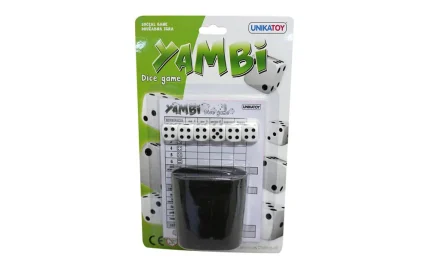
Yamb Game: The Exciting Dice Game for Strategy and Fun
The Yamb game is a popular dice game that blends luck, strategy, and quick thinking into an entertaining and competitive experience. Originating from variations of traditional dice games like Yahtzee and Poker Dice, Yamb has gained a loyal following in many countries, especially in Europe.
Whether you’re looking for a fun family activity or a game to sharpen your analytical skills, Yamb offers an engaging challenge that appeals to players of all ages. This article explores the history, rules, strategies, and benefits of playing the Yamb game.
What Is the Yamb Game?
Yamb is a dice game played with five dice where the objective is to score points by rolling specific combinations. Players take turns rolling the dice up to three times per turn, trying to fill a scorecard with various categories such as ones, twos, threes, full house, poker, and more.
The challenge lies in choosing which dice to keep and which to reroll, aiming to maximize points while completing all scorecard categories before the game ends.
History and Origin of Yamb
Yamb’s roots trace back to earlier dice games like Yahtzee, which was invented in the 1950s. The game evolved as various regional adaptations introduced unique rules and scoring categories, leading to Yamb’s distinctive format.
Popular in countries like Croatia, Slovenia, and Serbia, Yamb is often played during social gatherings and competitions. It’s celebrated for combining luck with tactical decisions, making each game unique.
How to Play Yamb: Basic Rules
Equipment Needed
-
Five standard six-sided dice.
-
A Yamb scorecard (usually divided into columns and rows).
-
A pencil or pen for scoring.
Setup
Each player receives a scorecard. The goal is to fill the scorecard by rolling dice and assigning results to each category.
Gameplay
-
Players take turns rolling all five dice.
-
After the first roll, the player may set aside any dice they want to keep and reroll the remaining dice.
-
Players can roll up to three times per turn.
-
After the rolls, the player must score their result in one of the available categories.
-
Once a category is scored, it cannot be used again.
Scoring Categories
Common categories include:
-
Ones, Twos, Threes, Fours, Fives, Sixes: Sum of the corresponding dice.
-
Max and Min: Sum of all dice for highest and lowest possible scores.
-
Full House: Combination of three of a kind plus a pair.
-
Poker: Four of a kind.
-
Yamb: Five of a kind (highest score).
Players aim to maximize points by carefully selecting where to place their dice results.
Strategies to Win at Yamb
While luck plays a role, strategic decision-making is key to winning Yamb:
1. Prioritize Difficult Categories Early
Categories like Yamb (five of a kind) and Poker (four of a kind) can be tricky to achieve. Try to fill these early when you have more scoring options available.
2. Use Min and Max Wisely
Maximize the total dice sum for the Max category and minimize for the Min category by rolling accordingly, balancing risk and reward.
3. Keep an Eye on Opponents
If playing competitively, monitor opponents’ scorecards to anticipate their strategies and adjust yours accordingly.
4. Manage Rerolls Carefully
Decide which dice to keep or reroll based on potential scoring opportunities and risk factors.
Benefits of Playing Yamb
Yamb is not just fun; it also offers several cognitive and social benefits:
Improves Math Skills
Calculating sums and understanding probability help sharpen basic arithmetic and numerical reasoning.
Enhances Strategic Thinking
Players must weigh odds, manage risk, and plan moves ahead to optimize scores.
Boosts Social Interaction
Yamb is often played in groups, encouraging communication, sportsmanship, and friendly competition.
Develops Patience and Focus
The game requires careful consideration and patience, enhancing concentration skills.
Variations of the Yamb Game
Different regions and players sometimes tweak Yamb rules for added excitement:
-
Speed Yamb: Fast-paced rounds with limited time per turn.
-
Team Yamb: Players collaborate in teams to achieve the highest combined score.
-
Custom Scorecards: Adding or removing categories to change difficulty or length of the game.
These variations help keep Yamb fresh and adaptable to different player preferences.
Where to Play and Buy Yamb
You can enjoy Yamb both physically and digitally:
-
Physical Sets: Available in toy stores or online, usually including dice and printed scorecards.
-
Apps and Online Platforms: Several websites and mobile apps offer free or paid Yamb games for solo or multiplayer play.
-
Social Settings: Yamb is perfect for game nights, family gatherings, or casual social events.
Conclusion: Why Yamb Is a Must-Try Dice Game
The Yamb game combines simplicity with strategic depth, making it an engaging choice for players who love dice games. Its easy-to-understand rules and variety of scoring options offer endless replayability and fun.
Whether you’re a casual gamer or a competitive strategist, Yamb is a great way to challenge your mind, enjoy social time, and experience the thrill of dice rolling. Grab your dice and scorecard, and discover why Yamb remains a favorite among dice game enthusiasts worldwide!