Filter by brand






Animal-shaped baby pacifier, Unikatoy


Baby plush elephant pull toy, 18 cm, Unikatoy


Figurine of a fawn with a scarf, 20 cm


Kitty Fairy figure, 30 cm, Gabby’s dollhouse, Spin Master
Enter the wonderful world of Gabby's Dollhouse cartoon and discover cute cats and colorful magic! Join Gabby, a cat enthusiast, and her assistant Pandoshap in a world of fun play! Here are Gabby, Pandoshap, Pandy, Kitty Fairy, Mucan, Box, Cakey, MerCat, Carlice, SleepyCat, Dj Meow, Arthur, Peter, Puffy Puff, Flory, Box, Pumpkin, Sugar, Baker, Space, Cakey, Parrot Pika, Eggy, Dj Comet, Lili-LU, and Oopsie, waiting for you to join them on fun adventures. The original names of characters in Gabby’s Dollhouse are Gabby, Pandy Paws, Pandy, Kitty Fairy, Catrat, Baby Box, Cakey, MerCat, Carlita, Pillow Cat, Dj Catnip, Arthur, Pete, Fluffy Flufferton, Floyd, Mama Box, Pumpkin, Flakey, Bakey, Marshapan, PaddyCake, Parrot, Eggy, Dj Comet, Luli-Loo, and Whoopsie.


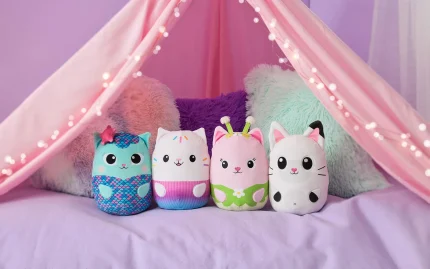
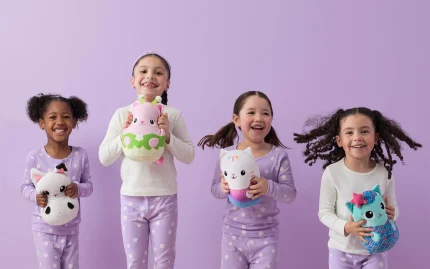
Mercat plush figure, 20 cm, Gabby’s dollhouse, Spin Master
Enter the wonderful world of Gabby’s Dollhouse cartoon and discover cute cats and colorful magic! Join cat enthusiast Gabby and her assistant Pandy Paws in a world of fun games! Here are Gabby, Pandy Paws, Pandy, Kitty Fairy, Catrat, Baby Box, Cakey, MerCat, Carlita, Pillow Cat, Dj Catnip, Arthur, Pete, Fluffy Flufferton, Floyd, Mama Box, Pumpkin, Flakey, Bakey, Marshapan, PaddyCake, Parrot, Eggy, Dj Comet, Luli-Loo and Whoopsie, waiting for you to join them on fun adventures. The original character names in Gabby’s Dollhouse are Gabby, Pandy Paws, Pandy, Kitty Fairy, Catrat, Baby Box, Cakey, MerCat, Carlita, Pillow Cat, Dj Catnip, Arthur, Pete, Fluffy Flufferton, Floyd, Mama Box, Pumpkin, Flakey, Bakey, Marshapan, PaddyCake, Parrot, Eggy, Dj Comet, Luli-Loo and Whoopsie.
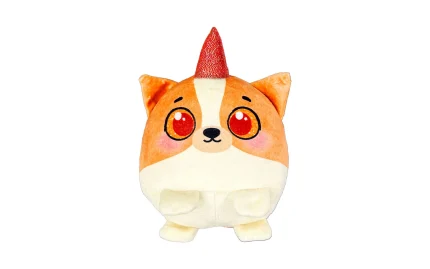
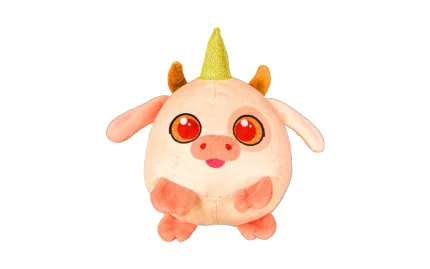
Mini plush unicorn Unicorn, Unidorables

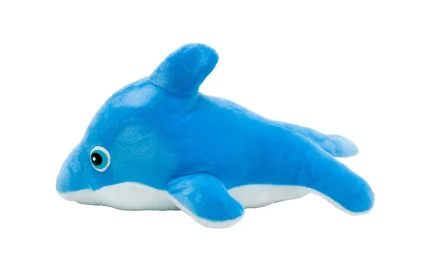
Night Buddies plush animal, with light, 30 cm
Plush Toy Program: Bringing Comfort, Joy, and Development to Children
Plush toys have long been beloved companions for children around the world. Soft, cuddly, and often whimsical, plush toys provide comfort, encourage imaginative play, and even support early development. But what exactly is a plush toy program, and why are they gaining popularity among parents, educators, and toy brands?
In this article, we’ll explore the concept of plush toy programs, their benefits, key features, and how to select the best plush toys as part of your child’s growth and playtime. Whether you're a parent, caregiver, or retailer, understanding plush toy programs can help you make informed choices that foster happiness and learning.
What Is a Plush Toy Program?
A plush toy program refers to a curated collection or initiative focused on producing, distributing, or promoting plush toys designed for children. These programs often combine high-quality plush designs with educational or emotional development goals.
Some plush toy programs are launched by toy manufacturers, schools, or charities aiming to provide comfort and learning aids to children. Others are commercial collections, featuring themed characters with consistent quality, storytelling, and branding.
Why Are Plush Toy Programs Important?
Plush toy programs are more than just fun collections—they serve important roles in children's emotional, social, and cognitive development:
1. Emotional Comfort and Security
For infants and toddlers, plush toys often become transitional objects that offer a sense of safety and reassurance, especially during stressful moments like bedtime or separation from parents.
2. Encouraging Imaginative Play
Plush toys inspire storytelling and role-playing, which help develop creativity, language skills, and problem-solving abilities.
3. Early Social Skills Development
When children engage in pretend play with plush toys, they practice empathy, cooperation, and communication, laying the groundwork for real-world social interactions.
4. Learning Through Themes and Stories
Many plush toy programs incorporate educational themes—such as animals, professions, or cultural stories—that teach children about the world in an engaging way.
Features of a Good Plush Toy Program
A successful plush toy program typically includes:
High-Quality Materials and Safety
Plush toys should be made from soft, durable, and non-toxic fabrics, with securely stitched features to withstand hours of play without posing safety risks.
Diverse and Inclusive Characters
Programs featuring a wide variety of characters—different animals, professions, cultures, and abilities—help children see themselves and others reflected in their toys.
Educational and Developmental Value
Some plush toy programs include books, apps, or activities that complement the toys, enriching the learning experience.
Brand Storytelling and Engagement
Programs that build stories or worlds around their plush toys foster deeper connections and ongoing interest among children.
Popular Plush Toy Programs and Examples
Clementoni Plush Collections
Clementoni, known for its educational toys, offers plush lines that emphasize both softness and developmental benefits. Their toys often feature bright colors and textures aimed at sensory stimulation.
Licensed Character Plush Programs
Popular media franchises such as Paw Patrol, Gabby's Dollhouse, or Unikatoy integrate plush toy programs featuring beloved characters, combining fun with familiar stories that children adore.
Charitable Plush Toy Programs
Organizations sometimes distribute plush toys to hospitals or shelters, offering comfort to children in difficult situations, demonstrating the power of plush toys beyond play.
How to Choose Plush Toys from a Plush Toy Program
Safety First
Check that plush toys meet international safety standards. Look for secure stitching, no loose parts, and materials free from harmful chemicals.
Age Appropriateness
Some plush toys are designed specifically for newborns with extra-soft textures and no small parts, while others are made for older children with more intricate designs.
Personal Interests and Needs
Select plush toys that reflect your child’s favorite animals, characters, or themes to increase engagement and enjoyment.
Washability
Toys that can be easily cleaned or machine washed are practical choices for young children.
Benefits of Including Plush Toys in Your Child’s Playtime
Sensory Development
Soft textures and varied materials stimulate tactile senses, an important aspect of early development.
Emotional Well-Being
Plush toys often serve as “comfort companions,” helping children self-soothe and manage emotions.
Social and Language Skills
Pretend play with plush toys encourages verbal expression, storytelling, and role understanding.
Motor Skills
Handling and hugging plush toys promote fine motor skills and coordination.
Tips to Maximize the Plush Toy Experience
-
Incorporate Storytelling: Create stories around your child’s plush toys to enhance creativity and language.
-
Rotate Plush Toys: Keep playtime fresh and stimulating by rotating the plush toys available.
-
Encourage Sharing and Role Play: Use plush toys to teach sharing, empathy, and social skills through group play.
-
Maintain Cleanliness: Wash plush toys regularly according to care instructions to ensure safety and hygiene.
Conclusion: The Lasting Impact of Plush Toy Programs
A plush toy program offers more than just cuddly toys—it creates a pathway for emotional comfort, developmental growth, and imaginative play. Whether you choose educational plush toys from brands like Clementoni, character collections from popular shows, or support charitable initiatives, these programs enrich children's lives in meaningful ways.
Invest in plush toys that combine quality, safety, and developmental benefits to nurture your child’s early years with warmth and joy.