Balloons for modeling
Filter by brand


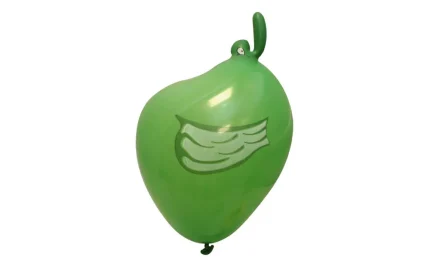
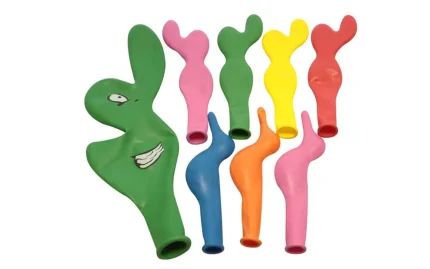
Balloons for modeling, often known as twisting balloons or balloon art balloons, have become a popular and exciting way to add creativity and fun to parties, events, and entertainment shows. These special balloons are designed specifically to be twisted, shaped, and sculpted into intricate forms such as animals, hats, flowers, and various imaginative creations. Balloon modeling is an art form that brings smiles to children and adults alike, transforming simple latex balloons into vibrant, playful masterpieces.
What Are Balloons for Modeling?
Unlike regular party balloons, balloons for modeling are made from thicker, more durable latex that can withstand twisting and bending without popping easily. They are long, tubular, and usually come in standard sizes like 260 (approximately 2 inches wide and 60 inches long) but are also available in different lengths and diameters for diverse creations.
Modeling balloons come in a wide variety of bright, vivid colors, and sometimes even metallic or transparent options. Their elasticity and durability allow balloon artists to create complex shapes by twisting, folding, and knotting the balloons in different ways.
The Popularity of Balloon Modeling
Balloon modeling has gained massive popularity over recent decades, becoming a staple entertainment feature at birthday parties, fairs, carnivals, and corporate events. Kids love receiving balloon animals or hats, and adults appreciate the skill and artistry behind the craft.
Balloon modeling is not only entertaining but also encourages creativity, imagination, and social interaction. Balloon artists can customize designs to match party themes or specific requests, making each balloon creation unique and memorable.
Essential Types of Balloons for Modeling
-
260 Balloons: The most common size for balloon twisting, these are about 1 inch in diameter and 60 inches long. Perfect for animals, swords, hats, and basic shapes.
-
160 Balloons: Thinner and shorter than 260s, these are great for smaller details or delicate creations.
-
350 and 360 Balloons: Larger than 260s, these allow for bigger or more durable sculptures.
-
Specialty Balloons: These include metallic, glitter, or patterned balloons that add sparkle and uniqueness to balloon art.
Tools Used in Balloon Modeling
Besides the balloons themselves, several tools make balloon modeling easier and more efficient:
-
Balloon Pump: A hand or electric pump helps inflate balloons quickly and safely, avoiding lightheadedness from blowing by mouth.
-
Markers: Used to add facial features, spots, or other details to balloon sculptures.
-
Ribbon or Clips: Used to attach balloons to sticks or secure sculptures.
Popular Balloon Models and Designs
Balloon artists can create countless designs, limited only by their imagination. Some of the most popular and recognizable balloon shapes include:
-
Animals: Dogs, cats, rabbits, butterflies, and even complex creatures like dragons or unicorns.
-
Hats and Crowns: Fun and wearable balloon headgear.
-
Flowers: Roses, tulips, and other floral designs that can be given as gifts.
-
Swords and Wands: Classic balloon toys that kids love to play with.
-
Characters and Objects: From cartoon characters to vehicles, balloon artists can craft detailed sculptures.
Benefits of Balloon Modeling at Events
-
Engagement: Balloon artists interact with guests, creating a lively and enjoyable atmosphere.
-
Personalized Entertainment: Guests receive unique, custom-made balloon sculptures as souvenirs.
-
Visual Appeal: Colorful balloon creations add decorative flair to any party or event.
-
Interactive Fun: Children often learn about shapes, colors, and creativity by watching or trying balloon twisting themselves.
Tips for Beginners in Balloon Modeling
If you’re new to balloon twisting, here are some helpful tips to get started:
-
Start Simple: Begin with easy designs like balloon dogs or swords before moving to complex shapes.
-
Use a Balloon Pump: This saves time and makes inflating balloons safer.
-
Practice Twisting: Proper twisting technique prevents balloons from popping.
-
Learn Basic Twists: Master the lock twist, fold twist, and pinch twist.
-
Be Patient: Balloon modeling takes practice, but it’s rewarding and fun.
Safety and Care Tips
While balloon modeling is safe and fun, it’s important to follow a few safety rules:
-
Avoid choking hazards: Small balloon pieces can be dangerous for very young children.
-
Handle balloons gently: Although designed for twisting, rough handling can still cause popping.
-
Use high-quality balloons: Cheap balloons may burst more easily and cause frustration.
-
Proper disposal: Dispose of popped balloons promptly to avoid hazards for children and pets.
Balloon Modeling as a Business Opportunity
Balloon modeling is not just a hobby but can also become a profitable career. Many entertainers specialize in balloon twisting at events, providing unique services such as:
-
Party Entertainment: Performing at children’s birthdays, festivals, and community events.
-
Corporate Events: Adding fun and creativity to brand promotions or product launches.
-
Workshops and Classes: Teaching balloon twisting techniques to aspiring artists or kids.
Environmental Considerations
Since balloons are made from latex, a natural material, many modeling balloons are biodegradable. However, it is important to avoid releasing balloons outdoors, as they can harm wildlife and pollute the environment. Responsible balloon use and disposal are key to minimizing environmental impact.
Why Balloons for Modeling Are Perfect for All Ages
One of the best things about balloon modeling is its universal appeal. Kids are fascinated by the magic of seeing simple balloons turn into adorable animals or hats. Adults appreciate the craftsmanship and enjoy watching the artist’s skills. Balloon modeling encourages creativity, laughter, and social bonding, making it a fantastic addition to any celebration.