Filter by brand

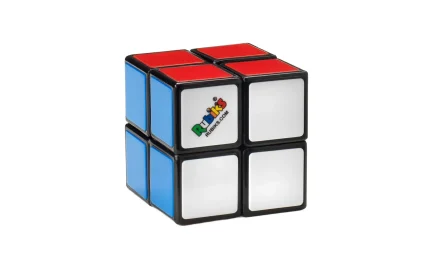
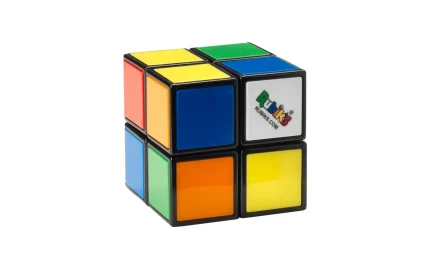
Rubik’s Cube 2×2, Series 2


Rubik’s cube 3 x 3, series 2

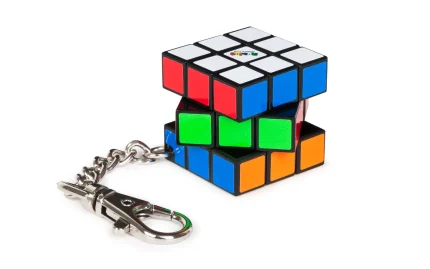
Rubik’s Cube 3 x 3, series 2, keychain
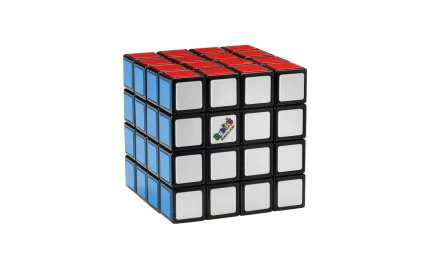
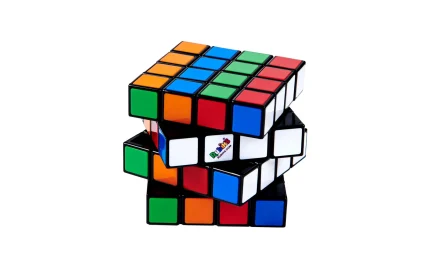
Rubik’s Cube 4×4, Series 2


Rubik’s cube 5 x 5


Rubik’s Cube TOWER
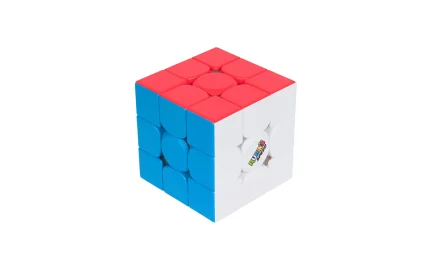
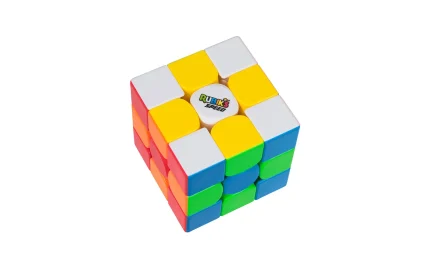
Rubik’s cube, 3×3, Magnetic Speed
Rubik’s Cube: The Classic Puzzle That Challenges Minds Worldwide
The Rubik’s Cube is one of the most iconic and enduring puzzles in history. Since its invention in 1974 by Ernő Rubik, this colorful 3D cube has fascinated millions with its unique blend of logic, dexterity, and problem-solving. Whether you’re a beginner trying to solve your first cube or a speedcuber competing for records, the Rubik’s Cube offers a timeless challenge that sharpens the mind and entertains players of all ages.
In this article, we’ll dive into the history of the Rubik’s Cube, explain how it works, discuss solving strategies, and explore why it remains a popular brain teaser worldwide.
What Is the Rubik’s Cube?
The Rubik’s Cube is a 3x3x3 mechanical puzzle consisting of 26 smaller cube pieces that rotate around a central mechanism. Each face of the cube is covered by nine stickers of six solid colors: white, red, blue, orange, green, and yellow. The objective is to twist and turn the cube’s layers until each face shows a single, uniform color.
The cube’s complexity lies in the massive number of possible configurations—over 43 quintillion!—making it both challenging and endlessly engaging.
History and Popularity
Ernő Rubik, a Hungarian architect and professor, invented the cube as a teaching tool for explaining spatial relationships. After patenting the design in 1975, the Rubik’s Cube exploded in popularity in the 1980s, becoming a global craze.
Today, the Rubik’s Cube remains popular in classrooms, puzzle clubs, and competitions worldwide. It has inspired variations like the 2x2, 4x4, and 5x5 cubes, as well as themed and electronic versions.
How Does the Rubik’s Cube Work?
The Rubik’s Cube consists of three types of pieces:
-
Center Pieces: Six fixed pieces, one per face, each showing a single color. They define the color of their respective face.
-
Edge Pieces: Twelve pieces with two colors, located between corners.
-
Corner Pieces: Eight pieces with three colors, situated at the cube’s corners.
Players manipulate the cube by rotating its layers horizontally or vertically, rearranging these pieces. The challenge is to return the cube to its solved state—where each face is one solid color—starting from a scrambled configuration.
Solving the Rubik’s Cube: Beginner to Advanced
Beginner Methods
Many beginners use the layer-by-layer method, solving the cube one horizontal layer at a time:
-
Solve the White Cross: Align white edge pieces around the white center.
-
Complete the First Layer: Insert the white corner pieces to finish the first layer.
-
Solve the Middle Layer: Position the edge pieces to complete the second layer.
-
Create the Yellow Cross: Form a yellow cross on the opposite side.
-
Finish the Cube: Position and orient the remaining pieces to solve the cube fully.
This approach is intuitive and accessible, perfect for newcomers.
Advanced Techniques
Speedcubers use more complex algorithms and methods like CFOP (Cross, F2L, OLL, PLL) to solve the cube in seconds. These techniques involve memorizing sequences of moves (algorithms) to efficiently manipulate pieces.
Other advanced methods include:
-
Roux Method: Focuses on block building and fewer rotations.
-
ZZ Method: Emphasizes edge orientation early for smoother turns.
Benefits of Solving the Rubik’s Cube
The Rubik’s Cube isn’t just a fun puzzle—it offers several cognitive and developmental benefits:
-
Improves Problem-Solving Skills: Requires logical thinking and planning.
-
Enhances Memory: Learning algorithms boosts memory and recall.
-
Develops Patience and Perseverance: Teaches persistence through trial and error.
-
Improves Hand-Eye Coordination: Requires precise finger movements.
-
Stimulates Spatial Awareness: Enhances understanding of 3D structures.
These benefits make the Rubik’s Cube an excellent educational tool and brain exercise for all ages.
Rubik’s Cube Competitions and Community
Rubik’s Cube competitions, known as speedcubing contests, draw players from around the globe. The World Cube Association (WCA) organizes official events where participants compete in categories like:
-
3x3x3 Cube solving
-
One-handed solving
-
Blindfolded solving
-
Larger cubes (4x4, 5x5, etc.)
The community is vibrant and welcoming, with tutorials, forums, and events promoting the joy of cubing.
Tips for Beginners
-
Start with a Standard 3x3 Cube: Avoid advanced cubes until you master basics.
-
Learn Algorithms Gradually: Focus on understanding a few key moves before expanding your repertoire.
-
Practice Regularly: Consistency is key to improvement.
-
Use Online Tutorials: Many free videos and guides make learning easier.
-
Be Patient: Solving the cube can be frustrating at first but becomes rewarding with practice.
Where to Buy a Rubik’s Cube
Rubik’s Cubes are widely available online and in toy stores. Look for official Rubik’s brand cubes for quality and durability. Other reputable brands include GAN, QiYi, and MoYu, popular among speedcubers.
The Rubik’s Cube is more than just a puzzle; it’s a global phenomenon that combines fun, education, and challenge in one colorful package. Whether you’re a casual solver or an aspiring speedcuber, the Rubik’s Cube sharpens your mind and offers endless hours of engaging play.
Grab your cube, learn the moves, and join millions worldwide in the ultimate brain-teasing adventure!