Microscope for kids
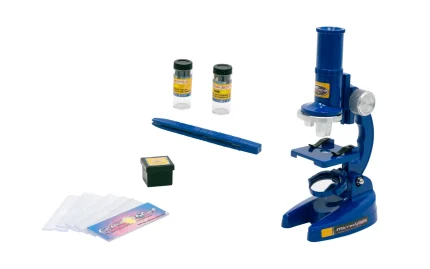
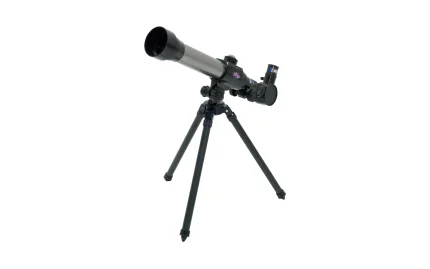
A set of microscope and telescope


Microscope with magnifications 200x, 600x, 1200x
Microscopes for kids are incredible tools that open up a whole new world of exploration and discovery. By allowing children to see tiny details invisible to the naked eye, microscopes inspire curiosity, develop scientific thinking, and make learning about nature exciting and fun. Whether for home use, school projects, or science clubs, microscopes designed especially for kids are a fantastic way to engage young minds in STEM (science, technology, engineering, and math) education.
Why Choose a Microscope for Kids?
Kids are naturally curious about the world around them, and microscopes fuel that curiosity by revealing the hidden details of everyday objects, plants, insects, and more. Unlike passive learning from books or screens, microscopes provide a hands-on, interactive experience that encourages questions, observations, and experimentation.
Microscopes made for children are designed with durability, ease of use, and safety in mind. They often feature simple controls, bright lighting, and sturdy construction to withstand active play. Plus, many come with educational kits and guides that help kids get started and make the most of their discoveries.
Educational Benefits of Kid-Friendly Microscopes
1. Develops Observation Skills
Using a microscope teaches children to observe carefully and pay attention to detail. This ability to notice fine differences is valuable not only in science but in everyday problem-solving and critical thinking.
2. Encourages Scientific Thinking
Microscopes inspire kids to ask questions, form hypotheses, and test their ideas. This hands-on inquiry builds foundational skills in the scientific method and fosters a lifelong love for discovery.
3. Supports STEM Learning
Microscopes connect children to biology, chemistry, and physics concepts by making abstract ideas tangible. Learning how cells look, how crystals form, or how tiny creatures move helps kids understand complex subjects more deeply.
4. Boosts Fine Motor Skills
Adjusting focus knobs, placing slides carefully, and handling small parts all help improve hand-eye coordination and fine motor control.
5. Fosters Creativity and Curiosity
Exploring the microscopic world sparks imagination and wonder. Kids can invent stories about what they see or design experiments to explore new questions.
Types of Microscopes for Kids
There are several types of microscopes suitable for children, each with unique features:
-
Optical Compound Microscopes: These traditional microscopes use multiple lenses to magnify objects up to 400x or more. Great for viewing prepared slides, plant cells, and tiny organisms.
-
Stereo Microscopes: Also called dissecting microscopes, these provide 3D views at lower magnification (typically 10x to 40x). Perfect for examining insects, rocks, and larger specimens.
-
Digital Microscopes: These connect to computers or tablets, displaying images on screens. They often include cameras to capture photos or videos, enhancing the learning experience.
-
Pocket Microscopes: Compact and portable, ideal for outdoor exploration and field trips.
Features to Look for in a Kids’ Microscope
-
Magnification Power: Choose magnification levels appropriate for the child’s age and interests. Beginners might start with 40x to 100x, while older kids can handle up to 400x.
-
Durability: Kids’ microscopes should be sturdy and made with child-safe materials to handle active use.
-
Ease of Use: Large focus knobs, clear instructions, and simple slide insertion make the microscope user-friendly for children.
-
Illumination: Built-in LED lights improve visibility and reduce eye strain. Some models offer adjustable brightness.
-
Accessories: Starter kits often include prepared slides, blank slides, tweezers, and specimen containers, enhancing the educational value.
-
Portability: Lightweight and compact models encourage exploration anywhere.
Fun and Educational Activities with Kids’ Microscopes
-
Explore Nature: Examine leaves, flowers, insects, and soil to learn about ecosystems and biology.
-
Study Everyday Items: Look closely at fabrics, hair, salt crystals, or sugar grains to discover hidden details.
-
Conduct Experiments: Observe how yeast grows or how crystals form to understand scientific processes.
-
Create Slide Collections: Collect and prepare specimens to build a personalized microscope slide library.
-
Learn About Cells: View prepared slides of plant and animal cells to understand basic biology.
-
Document Discoveries: Encourage kids to draw or photograph what they see and keep a science journal.
Tips for Using a Microscope with Kids
-
Start with simple, large specimens before moving to prepared slides.
-
Teach kids how to handle slides carefully to avoid breakage.
-
Encourage asking questions and making hypotheses about what they observe.
-
Use magnification levels appropriate for the task to avoid frustration.
-
Clean lenses and slides gently with proper tools to maintain clarity.
-
Combine microscope use with books, videos, or apps about biology and science to enrich learning.
Why Microscopes Make Great Gifts
Microscopes are excellent gifts for birthdays, holidays, or back-to-school. They appeal to children interested in science, nature, or simply exploring their world. Giving a microscope encourages curiosity, critical thinking, and educational play. Many microscope kits are attractively packaged with colorful designs and fun extras, making them exciting presents.
The Lasting Impact of Using Microscopes Early
Introducing children to microscopes at a young age can inspire future scientists, doctors, engineers, and curious learners. By nurturing observation and analytical skills early, microscopes help build confidence in scientific inquiry and problem-solving. This foundational experience supports STEM success and lifelong learning.
Microscopes for kids are more than just toys—they are windows into the unseen world that nurture curiosity, creativity, and knowledge. Whether exploring backyard bugs or studying classroom specimens, microscopes transform learning into an adventure, making science accessible and fun for every child.