Puzzles
Filter by brand



Alpine Lake – Clementoni puzzle, 6000 pieces


Band of Thunder-Horses- Clementoni jigsaw puzzle, 13200 pieces

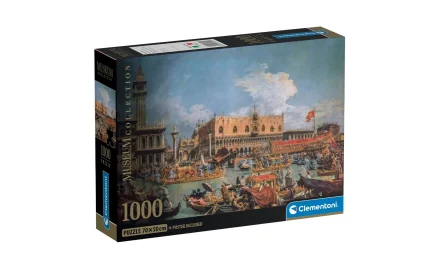
Canaletto Museum – Clementoni jigsaw puzzle, 1000 pieces
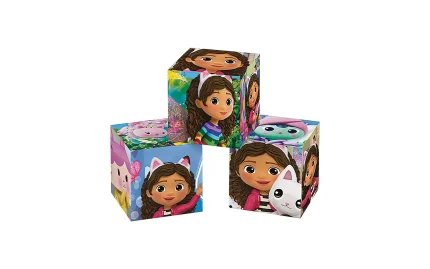

Cubes, 12 pieces, Gabby’s dollhouse


Dolomites – Clementoni puzzle, 13200 pieces

Las Vegas – Clementoni jigsaw puzzle, 6000 pieces
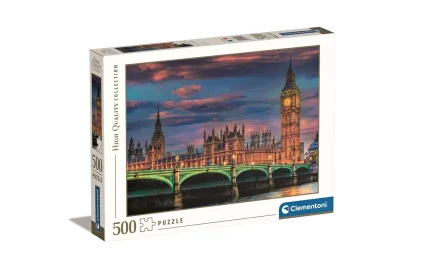
London Parliament – Clementoni Puzzle, 500 pieces

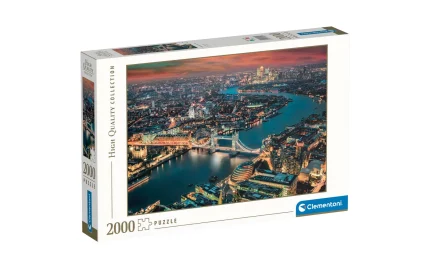


Pirates Battle- Clementoni puzzle, 6000 pieces


Puzzles: Engaging Minds and Sparking Creativity
Puzzles are timeless toys that offer endless fun while developing essential cognitive, motor, and social skills in children. From simple wooden shapes for toddlers to complex jigsaw puzzles for older kids and adults, puzzles come in many forms and sizes, making them suitable for all ages and skill levels. This article explores the benefits of puzzles, different types, tips for choosing the right puzzle, and how they foster learning and play.
Why Are Puzzles Important for Kids?
Puzzles are more than just a pastime—they play a crucial role in early childhood development and beyond. Here are some key benefits:
-
Enhance Problem-Solving Skills: Puzzles challenge children to think critically, recognize patterns, and figure out how pieces fit together.
-
Boost Memory and Concentration: Working on puzzles requires focus and helps improve short-term memory by recalling shapes, colors, and strategies.
-
Develop Fine Motor Skills: Picking up, manipulating, and fitting puzzle pieces strengthens hand-eye coordination and dexterity.
-
Encourage Patience and Persistence: Completing a puzzle takes time and determination, teaching kids the value of perseverance.
-
Promote Social Interaction: Puzzles can be a shared activity, fostering teamwork, communication, and cooperation.
-
Stimulate Creativity: Especially with themed puzzles, children’s imaginations are engaged, inspiring storytelling and creative thinking.
Types of Puzzles for Kids
Puzzles come in various formats tailored to different ages and interests. Understanding these types can help you select the perfect puzzle for your child:
1. Wooden Shape Puzzles
Ideal for toddlers, these puzzles feature simple geometric shapes or familiar objects like animals, vehicles, or letters. They often have pegs for easy handling, helping little ones develop fine motor skills and shape recognition.
2. Jigsaw Puzzles
Jigsaw puzzles are the most popular type, where interlocking pieces form a complete picture. They range from very simple puzzles with a few large pieces for young children to intricate designs with hundreds or thousands of pieces for older kids and adults.
3. Floor Puzzles
These oversized puzzles are perfect for group play and active learning. Children can spread out the large pieces on the floor and work together to complete the image, encouraging cooperative play.
4. 3D Puzzles
For advanced puzzlers, 3D puzzles add an extra dimension by creating models of buildings, vehicles, or animals. These require spatial awareness and are great for older children and teens.
5. Magnetic Puzzles
Magnetic puzzles are portable and mess-free, making them excellent for travel. Pieces stick to a magnetic board, preventing loss and making cleanup easier.
How to Choose the Right Puzzle
When selecting puzzles, consider these factors:
-
Age Appropriateness: Look for puzzles with piece sizes and complexity suited to your child’s developmental stage.
-
Theme and Interest: Choose puzzles featuring subjects your child loves, such as animals, cartoons, nature, or space, to keep them engaged.
-
Material and Durability: Wooden and foam puzzles are durable and ideal for younger children, while cardboard jigsaw puzzles work well for older kids.
-
Educational Value: Some puzzles incorporate numbers, letters, or shapes, combining fun with learning.
-
Piece Count and Size: Start with fewer, larger pieces for beginners, gradually moving to more complex puzzles as skills improve.
Tips for Making Puzzle Time More Enjoyable
-
Create a Dedicated Puzzle Space: A flat, well-lit area makes assembling puzzles easier and more comfortable.
-
Encourage Teamwork: Puzzles can be a group activity for siblings or friends, promoting social skills.
-
Celebrate Achievements: Praise your child’s efforts to build confidence and motivation.
-
Introduce Puzzle Challenges: Gradually increase difficulty to keep your child engaged and learning.
-
Combine with Storytelling: Use themed puzzles as a prompt for creative stories or role-playing.
Educational Benefits of Puzzles
Puzzles contribute to various aspects of a child's growth:
-
Cognitive Development: Problem-solving, spatial awareness, and logic skills are all enhanced by puzzling activities.
-
Language Skills: Talking about the puzzle, describing pieces, and narrating stories encourages vocabulary expansion.
-
Emotional Development: Puzzles teach patience and coping with frustration in a positive way.
-
Physical Development: Manipulating pieces develops fine motor skills critical for writing and other daily tasks.
Puzzles and Family Bonding
Puzzles offer an excellent opportunity for family bonding time. Sitting together to solve a puzzle fosters communication and shared accomplishment. It’s a screen-free activity that encourages patience and mindfulness, making it ideal for quality family interaction.
Puzzle Trends and Innovations
Today’s puzzles are more creative and interactive than ever:
-
Augmented Reality (AR) Puzzles: Combining traditional puzzles with digital apps, AR puzzles bring images to life with animation and sound.
-
Customizable Puzzles: Personalized puzzles featuring your child’s photo or artwork add sentimental value.
-
Eco-Friendly Puzzles: Made from sustainable materials, these puzzles are better for the environment.
Caring for Your Puzzles
Proper care will extend the life of your puzzles:
-
Store puzzles in labeled boxes or bags to keep pieces organized.
-
Clean pieces gently with a damp cloth if needed.
-
Avoid forcing pieces to prevent damage.
-
Encourage kids to work on puzzles on a flat, clean surface.
Puzzles are a fantastic way to combine learning and play, offering countless benefits for children of all ages. They nurture essential life skills while providing hours of enjoyment. Whether you choose a simple wooden shape puzzle for a toddler or a complex jigsaw for an older child, puzzles will continue to be a beloved and valuable part of childhood.