Bubbles
Filter by brand




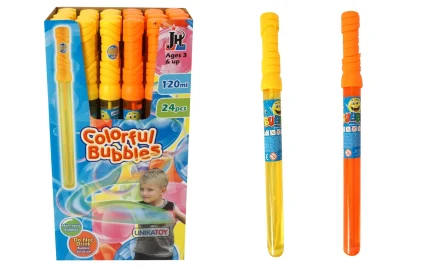


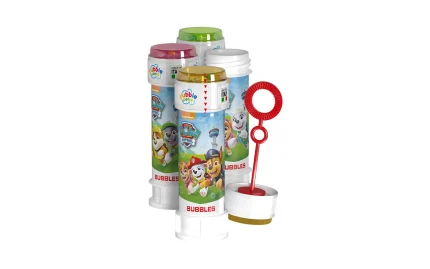
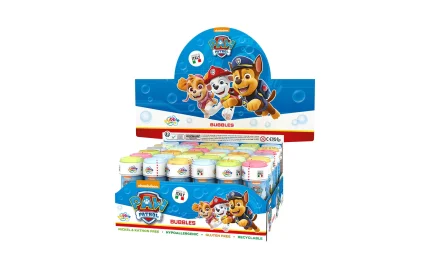


Bubbles have fascinated children and adults for generations. Their magical, shimmering appearance and the delicate way they float through the air bring instant joy and wonder. Bubbles are much more than simple playthings; they inspire creativity, encourage outdoor activity, and offer sensory experiences that benefit both physical and mental development.
What Are Bubbles?
Bubbles are thin films of soapy water filled with air that form spherical shapes due to surface tension. When light reflects and refracts on their surface, bubbles create beautiful, iridescent colors that captivate the eye. They come in various sizes, from tiny ones that quickly pop to large bubbles that can hover in the air for a while before bursting.
Why Are Bubbles So Popular?
Bubbles are universal symbols of fun and play. They are lightweight, safe, and accessible for all ages, making them ideal toys for parties, family gatherings, outdoor activities, and even educational settings. Playing with bubbles stimulates imagination, coordination, and social interaction.
Different Types of Bubble Toys
-
Bubble Wands: The classic tool for creating bubbles, wands come in many shapes and sizes—from simple loops to intricate designs that make bubbles of varying sizes.
-
Bubble Machines: These devices blow continuous streams of bubbles automatically, perfect for parties and events, creating a magical atmosphere without constant effort.
-
Bubble Guns: Fun toys that shoot bubbles with the pull of a trigger, combining bubble play with an action element that kids love.
-
Giant Bubble Kits: Special kits that include large wands and solutions for making enormous bubbles, adding wow-factor to playtime.
-
Bubble Solution: The key ingredient for creating bubbles; many brands offer specialized formulas for stronger, longer-lasting bubbles.
Benefits of Playing with Bubbles
-
Motor Skills Development: Blowing bubbles requires controlled breath and coordination, helping kids develop fine motor skills and lung capacity.
-
Sensory Play: Bubbles provide visual, tactile, and sometimes even auditory stimulation, which supports sensory development, especially in young children.
-
Social Interaction: Bubble play is often a shared activity that encourages communication, cooperation, and taking turns.
-
Encourages Outdoor Play: Chasing bubbles motivates kids to move, run, and explore outside, promoting physical exercise and healthy habits.
-
Educational Uses: Teachers and parents use bubbles to teach concepts like air pressure, surface tension, and reflection through fun experiments.
How to Make Bubbles More Fun
-
Bubble Art: Use colored bubble solutions or add food coloring to create colorful bubbles that leave patterns when they pop on paper.
-
Bubble Contests: Organize games where kids try to make the biggest bubble, the most bubbles at once, or keep a bubble in the air the longest.
-
Bubble Science: Explore how different solutions or wands affect bubble size and durability. Mixing sugar or glycerin can strengthen bubbles.
-
Creative Bubble Shapes: Specialized wands allow making bubbles in heart or star shapes, adding an artistic touch to playtime.
-
Bubble Shows: Hire professional bubble artists or watch online performances to inspire awe and spark interest in bubble play.
Tips for the Best Bubble Experience
-
Use a high-quality bubble solution or make your own using water, dish soap, and glycerin for longer-lasting bubbles.
-
Blow bubbles outside or in a well-ventilated area to avoid mess.
-
Choose the right wand size for the desired bubble size.
-
Be patient—some bubble shapes take practice!
-
Encourage kids to gently catch or pop bubbles to prolong their lifespan and reduce frustration.
Safety Considerations
Bubbles are generally safe, but a few precautions help ensure fun without accidents:
-
Avoid bubble solution ingestion; while non-toxic, it can cause stomach upset.
-
Keep bubble play away from electronic devices to prevent damage.
-
Clean up spills promptly to prevent slippery floors.
-
Supervise young children to avoid eye irritation from solution contact.
Bubble Play for Different Ages
-
Toddlers: Simple blowing and chasing bubbles develop gross motor skills and hand-eye coordination.
-
Preschoolers: Learning to blow bubbles themselves builds breath control and social skills.
-
Older Kids: Bubble science experiments and creative bubble art keep engagement high.
-
Adults: Bubble play is a nostalgic, stress-relieving activity suitable for all ages.
Bubbles in Events and Celebrations
Bubbles add an enchanting ambiance to weddings, birthday parties, festivals, and outdoor gatherings. Bubble machines or bubble artists create magical experiences that guests remember. Kids love receiving bubble toys as party favors, and bubbles often serve as eco-friendly alternatives to confetti.
Environmental Impact and Sustainability
Traditional bubble solutions are generally biodegradable, but bubble toys made from plastic should be chosen carefully. Opt for reusable and durable bubble wands and machines. Proper disposal of plastic components and recycling when possible help reduce environmental footprints.