Balls for children










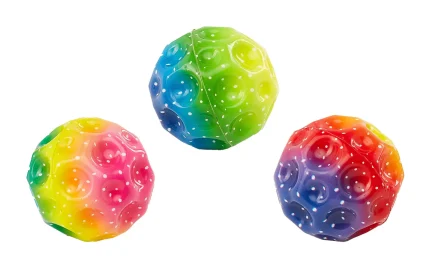
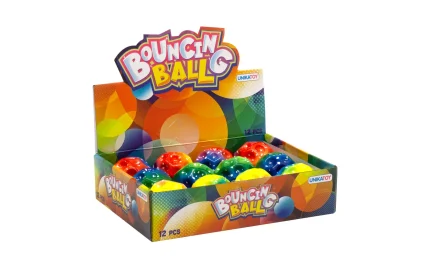


Balls are some of the most versatile and timeless toys for children. From the very first kick to organized sports and casual play, balls encourage movement, coordination, and endless fun. Whether you’re looking for soft indoor balls, durable outdoor options, or themed designs, choosing the right ball for your child can make a big difference in playtime enjoyment and skill development.
Why Are Balls Great Toys for Kids?
Balls are perfect toys because they promote active play, which is essential for children’s physical health and motor skills. Throwing, catching, rolling, or kicking a ball helps improve hand-eye coordination, balance, and muscle strength. They also foster social interaction when kids play games like catch or soccer together, encouraging teamwork and communication.
Balls come in all shapes, sizes, colors, and materials, making them suitable for different ages and play environments. From soft plush balls for babies to high-quality rubber or plastic balls for older kids, there’s a perfect ball for every child’s stage and interest.
Types of Balls for Children
Soft Balls for Toddlers and Babies
Soft balls are designed with safety and sensory play in mind. Made from plush fabric, foam, or soft rubber, these balls are light and gentle, perfect for babies to grasp, squeeze, and explore without risk of injury. Some soft balls come with rattles or textured surfaces, stimulating babies’ tactile and auditory senses.
Foam Balls
Foam balls are lightweight and safe for indoor play. They don’t bounce too high or cause damage, making them ideal for young children who are just learning to throw and catch. Foam balls also come in bright colors and fun patterns that attract kids’ attention.
Rubber and Plastic Balls
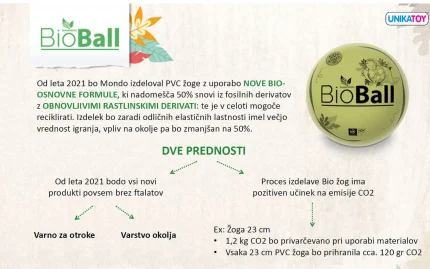
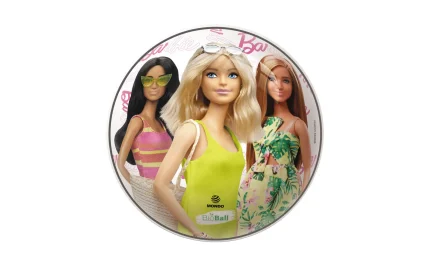
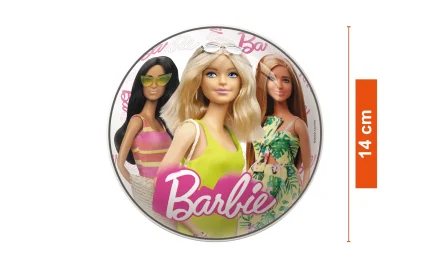
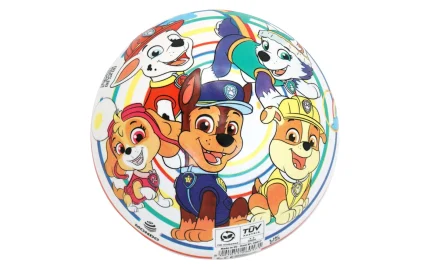
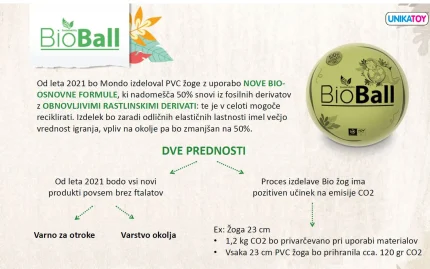
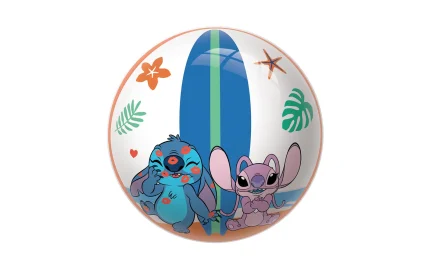
These balls are more durable and suitable for outdoor play. From small playground balls to larger beach balls, they offer good bounce and resilience. Rubber and plastic balls are often waterproof and easy to clean, perfect for energetic kids playing in the yard, park, or pool.
Sports Balls for Kids
Many children enjoy playing sports, and kid-sized balls help introduce them to games like soccer, basketball, volleyball, and baseball. These balls are designed to be lighter and smaller than adult versions to accommodate kids’ strength and coordination levels. Using age-appropriate balls helps children build confidence and develop fundamental sports skills.
Choosing the Right Ball for Your Child
When picking a ball for your child, consider these factors:
-
Age Appropriateness: Balls for babies and toddlers should be soft and easy to grip, while older children can use standard sports balls.
-
Material: Soft plush or foam balls are great for indoor safety, while rubber and plastic balls suit outdoor and more active play.
-
Size: Smaller balls are easier for young children to handle, while larger balls encourage running and kicking.
-
Purpose: Decide if the ball is for casual play, sports practice, sensory development, or a specific game.
-
Durability: Consider how tough the ball needs to be based on your child’s activity level and play environment.
Benefits of Playing with Balls for Children
-
Physical Development: Balls encourage kids to run, jump, throw, and catch, building gross motor skills and strength.
-
Coordination and Reflexes: Playing catch or dribbling improves hand-eye coordination and reflexes.
-
Social Skills: Group games with balls teach cooperation, turn-taking, and communication.
-
Cognitive Skills: Some ball games enhance strategic thinking and problem-solving.
-
Sensory Stimulation: Soft and textured balls engage multiple senses, aiding sensory development in young children.
Popular Types of Balls for Play and Learning
Sensory Balls
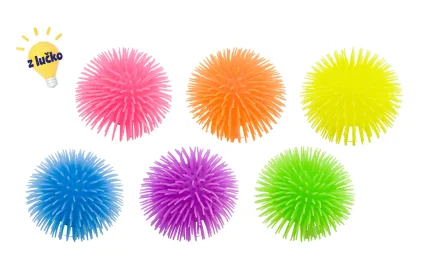
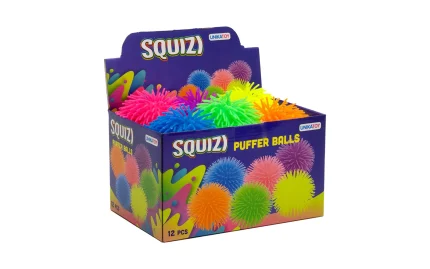
Sensory balls come with different textures, colors, and sometimes sounds. They’re especially helpful for babies and children with sensory processing needs. Playing with sensory balls helps develop tactile skills and focus.
Bouncy Balls
Bouncy balls are classic toys that can provide hours of fun. Their unpredictable bounce makes games more exciting and improves reaction time and agility in kids.
Beach Balls
Large, lightweight, and inflatable, beach balls are great for outdoor summer fun. They’re easy to catch and kick, suitable for all ages, and add a splash of color to any play area.
Sports Balls Designed for Kids
Junior soccer balls, mini basketballs, and smaller volleyballs are tailored to children’s size and strength, making sports more accessible and enjoyable.
Safety Tips for Ball Play
-
Always supervise young children, especially with balls that are small enough to pose a choking hazard.
-
Use soft or foam balls indoors to prevent damage or injury.
-
Teach kids proper handling and game rules to avoid accidents.
-
Check balls regularly for damage or wear and replace them if necessary.
Fun Activities with Balls for Children
-
Catch and Throw: Classic games that develop timing and coordination.
-
Kickball: A fun variation of baseball, great for outdoor play.
-
Dribbling: Using basketball or soccer balls to improve foot-eye coordination.
-
Rolling Games: For toddlers, rolling balls back and forth helps motor skills.
-
Target Practice: Set up goals or targets for kids to aim at with their balls, building focus and accuracy.
Why Balls Remain a Favorite Toy Across Generations
Balls are simple yet endlessly engaging toys. Their universal appeal transcends cultures and generations. From playgrounds to family backyards, balls inspire spontaneous play, exercise, and friendship-building. They’re affordable, portable, and easy to clean, making them practical for families.
Balls for children come in a wide variety of types and materials, designed to meet the needs of different ages and play styles. Whether soft balls for babies, foam balls for indoor fun, or sports balls for active kids, choosing the right ball encourages physical, social, and cognitive development. Balls invite children to move, explore, and play creatively, making them one of the most valuable toys in any child’s collection.