


Piano keyboard for children
Filter by brand


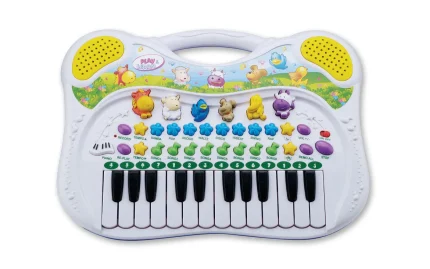
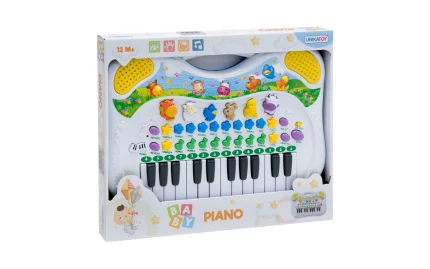

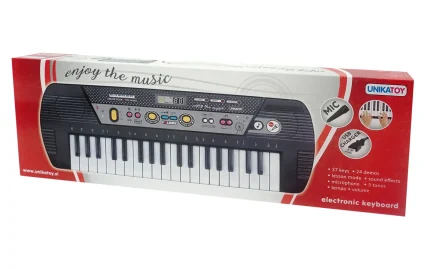


Keyboard with microphone, 54 keys, Unikatoy
The piano has 54 keyboard keys, 6 demo songs, 16 tones, 10 rhythms, 8 percussions, 2 learning modes, 16 levels of sound volume, 32 levels of tempo, a digital display, stop function, recording/programming/playback function, chord/addition, echo/vibrato/mix, a DC 9V output and a microphone. It requires 6 type AA 1.5 V batteries, which are not included. A USB cable is also included with the item.


Keyboard with microphone, 61 keys
The piano has 61 keyboard keys, 6 demo songs, 16 tones, 10 rhythms, 8 percussions, 2 learning modes, recording/programming/attachment function, various volume and tempo levels, digital display, stop function, microphone, DC 9V output, chord, sheet music stand. Operation requires 6 type AA 1.5 V batteries, which are not included. A USB cable is also included with the article.
Piano keyboards for children are an excellent gateway to the magical world of music, offering young learners a fun, engaging, and educational way to explore sound, rhythm, and creativity. Whether your child dreams of becoming a professional pianist, enjoys making melodies, or simply likes to experiment with musical instruments, a specially designed piano keyboard for kids is an ideal starting point. These keyboards are tailored to meet the needs of children, combining age-appropriate features with ease of use, durability, and entertainment value.
Why Introduce Piano Keyboards to Children?
Introducing music at an early age can have significant positive effects on a child's development. Piano keyboards for kids serve as an accessible tool that nurtures creativity while improving essential skills. Early exposure to music enhances memory, concentration, and coordination. It also develops fine motor skills, hand-eye coordination, and cognitive abilities.
Playing the piano requires reading notes, understanding rhythm, and practicing finger movements, which challenge the brain and promote neurological growth. Beyond technical skills, music encourages self-expression, emotional development, and confidence. A piano keyboard provides a foundation not only for musical education but also for overall academic and personal growth.
Features of Children’s Piano Keyboards
Children’s piano keyboards differ from full-sized adult pianos in several ways, designed specifically to match the physical and cognitive abilities of kids. Key features include:
-
Number of Keys: While standard pianos have 88 keys, children’s keyboards often range from 32 to 61 keys. Fewer keys mean a smaller instrument size that is manageable for tiny hands and easier to learn on.
-
Touch Sensitivity: Some keyboards come with touch-sensitive keys that respond dynamically to pressure, allowing children to play with varying volume and expression. This feature enhances the learning experience by teaching dynamics.
-
Built-in Sounds and Rhythms: Many children’s keyboards include pre-loaded sounds such as piano, organ, guitar, drums, and more. Additionally, rhythmic accompaniments help kids play along with beats, developing timing and coordination.
-
Learning Modes: Beginner-friendly keyboards often have light-up keys, demo songs, and guided lessons built-in to help kids learn notes, scales, and simple songs step-by-step.
-
Portability and Size: Lightweight and compact designs make it easy to move the keyboard between rooms or take it along for lessons and travel.
-
Connectivity: Modern keyboards may feature headphone jacks, USB ports, or Bluetooth, allowing private practice, connection to computers, or use with educational apps.
-
Durability: Kids’ keyboards are often made with sturdy materials that can withstand drops, spills, and rough handling.
Age Recommendations and Keyboard Selection
Choosing the right piano keyboard depends on your child's age, size, and interest level.
-
Toddlers (Ages 2-4): For the youngest players, keyboards with 25-32 keys, big colorful buttons, simple sounds, and fun effects are best. These keyboards emphasize exploration rather than formal learning.
-
Preschool and Early Elementary (Ages 4-7): At this stage, a 49-key keyboard with basic touch sensitivity and built-in learning modes helps children transition into playing recognizable melodies and practicing coordination.
-
Older Children and Beginners (Ages 8+): A 61-key keyboard with more advanced features such as velocity-sensitive keys, multiple instrument sounds, recording capabilities, and lesson functions suits kids ready for serious practice.
Benefits of Playing Piano Keyboards for Children
The advantages of introducing piano keyboards at a young age are plentiful:
-
Fine Motor Development: Pressing keys and coordinating both hands improve finger dexterity and hand strength, foundational for writing and other tasks.
-
Cognitive Enhancement: Learning music theory, memorizing notes, and interpreting rhythms stimulate brain areas responsible for memory, attention, and problem-solving.
-
Creativity and Self-Expression: Kids learn to compose and improvise, nurturing imagination and emotional expression.
-
Emotional Benefits: Music can be calming and therapeutic, helping children express feelings and reduce stress.
-
Improved Academic Skills: Studies link music education with better math, reading, and language abilities.
-
Discipline and Patience: Regular practice teaches children goal-setting, persistence, and time management.
-
Social Skills: Group lessons, recitals, and playing with family encourage teamwork and confidence.
How to Encourage Children to Play and Practice
Keeping children motivated to play the piano keyboard is essential for progress. Here are some tips:
-
Make Practice Fun: Use keyboards with built-in games and songs, and encourage improvisation.
-
Set Realistic Goals: Celebrate small achievements to build confidence.
-
Provide Positive Feedback: Praise efforts and improvements, fostering a love of music.
-
Create a Dedicated Music Space: A quiet, well-lit area encourages regular practice.
-
Join Music Groups or Classes: Social interaction with peers reinforces learning.
Caring for Children’s Piano Keyboards
Proper maintenance ensures the keyboard lasts longer:
-
Clean Keys Gently: Use a soft cloth to wipe away dust and fingerprints.
-
Avoid Liquids: Keep drinks and food away from the keyboard.
-
Store Safely: Cover when not in use and store in a dry, cool place.
-
Check Batteries: Replace batteries as needed to prevent leaks and damage.
-
Handle with Care: Teach children to transport and use the keyboard respectfully.
Accessories to Enhance the Experience
Consider adding accessories to improve your child’s experience:
-
Adjustable Stands: Position the keyboard at a comfortable height.
-
Piano Benches: Encourage proper posture.
-
Headphones: Allow quiet practice without disturbing others.
-
Music Books and Apps: Supplement learning with tutorials and sheet music.
-
Microphones: For singing along or karaoke sessions, boosting engagement.
Piano keyboards for children offer an enriching, enjoyable way to discover music. They combine education and entertainment, supporting physical, cognitive, and emotional growth. By selecting the right keyboard with child-friendly features and encouraging regular play, you can help your child develop lifelong skills and a passion for music. Whether your child is just exploring or seriously pursuing piano playing, a piano keyboard is a wonderful investment in their creative and personal development.


