Filter by brand


Accordion, Unikatoy
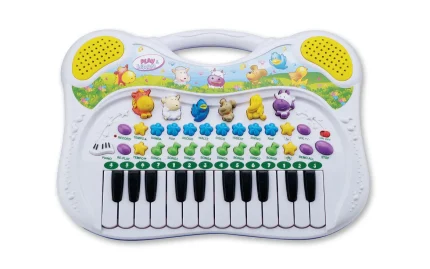
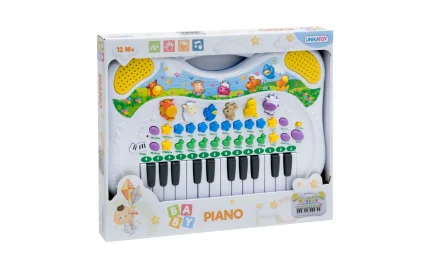
Children’s keyboard, Unikatoy


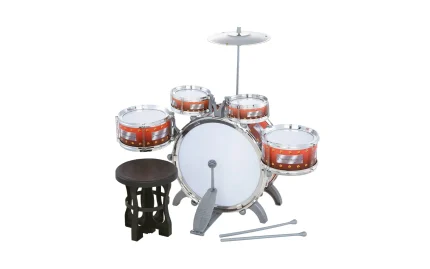
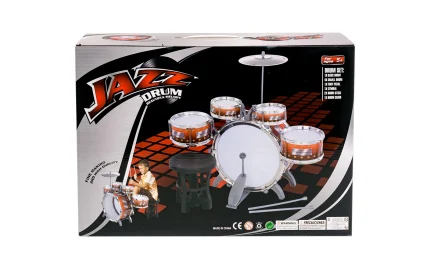
Drums, set, Unique toy
The drum set includes 1 bass drum, 2 medium and 2 small drums, 1 foot pedal, 1 cymbal, 2 drumsticks, and a stool (not suitable for children weighing more than 48 kg). We recommend it for children from the age of 5 upwards. The dimensions of the large drum: diameter approx. FI 29 cm, height 16 cm; dimensions of the medium drum: diameter approx. FI 15.5 cm, height 9 cm; dimensions of the small drum: diameter approx. FI 11.5 cm, height 5.6 cm; cymbal dimension: diameter FI 19 cm. The dimension of the assembled item: length 60 cm, depth 40 cm, height 50 cm. The stool is 19 cm high, the seat diameter is 18 cm.


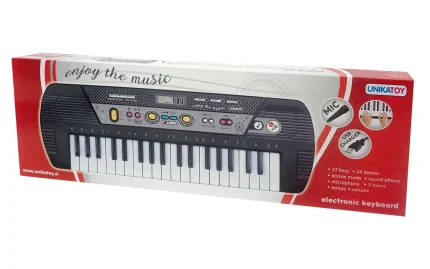
Keyboard with microphone, 37 keys, Unikatoy


Keyboard with microphone, 54 keys, Unikatoy
The piano has 54 keyboard keys, 6 demo songs, 16 tones, 10 rhythms, 8 percussions, 2 learning modes, 16 levels of sound volume, 32 levels of tempo, a digital display, stop function, recording/programming/playback function, chord/addition, echo/vibrato/mix, a DC 9V output and a microphone. It requires 6 type AA 1.5 V batteries, which are not included. A USB cable is also included with the item.


Keyboard with microphone, 61 keys
The piano has 61 keyboard keys, 6 demo songs, 16 tones, 10 rhythms, 8 percussions, 2 learning modes, recording/programming/attachment function, various volume and tempo levels, digital display, stop function, microphone, DC 9V output, chord, sheet music stand. Operation requires 6 type AA 1.5 V batteries, which are not included. A USB cable is also included with the article.
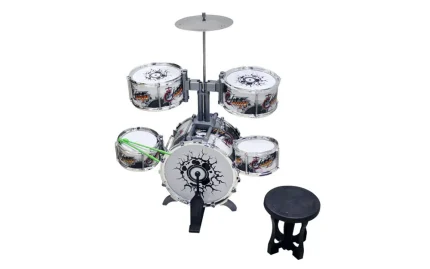
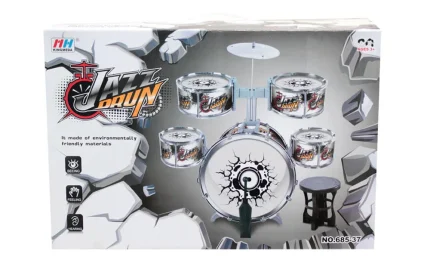
Large jazz drums, set


Musical Toys are a fantastic way to spark creativity and learning in children. Introducing kids to music early on helps develop their cognitive abilities, coordination, and emotional expression while providing hours of fun and entertainment. Choosing the right instruments and encouraging regular play can nurture a lifelong passion for music and boost a child’s confidence.
Why Are Musical Toys Important for Kids?
Music playing engages multiple brain areas, helping children develop memory, attention, and problem-solving skills. It also promotes fine motor skills through the use of fingers and hands, along with improving hand-eye coordination. Beyond cognitive benefits, playing music allows kids to express emotions, build patience, and socialize with others in group settings.
Popular Musical Toys for Kids
Guitar
The guitar is a hugely popular instrument for children due to its versatility and wide range of musical styles. For young beginners, smaller-sized guitars or specially designed kid guitars are available. These smaller guitars have shorter necks and lighter strings, making them easier for kids to hold and play.
Learning guitar helps develop finger strength, dexterity, and musical ear. Kids can start with simple chords and gradually move to more complex melodies. The guitar also encourages creativity by allowing kids to write their own songs or improvise. Plus, it’s portable, so children can bring their guitars to lessons, camps, or family gatherings.
Piano and Keyboard
The piano is often considered the foundational instrument because it provides a clear visual layout of notes and scales. Mini keyboards or smaller pianos designed for kids introduce melodies, harmonies, and rhythm in an accessible way.
Playing piano helps children understand musical theory, develop hand coordination with both hands playing independently, and improve concentration. Many electronic keyboards come with learning features like light-up keys or built-in lessons, making practice engaging and interactive.
A piano or keyboard at home also encourages informal music exploration, letting children experiment with different sounds and styles. This fosters creativity and a deeper connection to music.
Ukulele
The ukulele has gained huge popularity as a beginner instrument because it is light, small, and easy to play. Its nylon strings are softer on fingers than guitar strings, which is especially helpful for young kids just developing finger strength.
Learning ukulele helps children grasp basic chords quickly, which boosts motivation and enjoyment. Its bright, cheerful sound is perfect for sing-alongs and group play. Ukuleles also introduce rhythm, timing, and fingerpicking techniques, making it a great stepping stone to more complex string instruments later on.
Because it’s so portable and affordable, the ukulele is often the first instrument many kids try. It’s ideal for preschoolers and early elementary age children.
Other Instruments
-
Percussion: Instruments like tambourines, drums, maracas, and xylophones introduce kids to rhythm and beat. They’re easy to play and great for toddlers and preschoolers.
-
Wind Instruments: Simple flutes, recorders, and harmonicas develop breath control and pitch recognition. They enhance lung capacity and teach musical phrasing.
-
Electronic Instruments: Synthesizers, drum pads, and digital pianos offer a variety of sounds and interactive learning tools, suitable for older kids interested in modern music styles.
How to Choose the Right Instrument
When selecting an instrument for your child, consider:
-
Age and Size: Choose instruments appropriate for your child’s age and physical abilities. Smaller guitars, mini keyboards, and light percussion are ideal for younger kids.
-
Interest: Let your child try different instruments to find what they enjoy most. Interest fuels practice and progress.
-
Durability: Kids can be rough with their instruments, so select sturdy, well-made options.
-
Budget: There are quality beginner instruments available at affordable prices. Renting is also an option for expensive instruments.
-
Learning Resources: Some instruments come with apps, videos, or books to support practice, which can be very helpful for beginners.
Benefits of Learning Musical Toys for Kids
-
Boosts Brain Development: Music activates multiple areas of the brain, enhancing memory, language skills, and spatial reasoning.
-
Improves Coordination: Playing instruments requires precise finger and hand movements, improving motor skills.
-
Enhances Social Skills: Group lessons and ensembles teach teamwork, listening, and communication.
-
Encourages Discipline: Regular practice builds patience, focus, and time management.
-
Provides Emotional Outlet: Music helps children express feelings and cope with stress.
-
Builds Confidence: Mastering an instrument boosts self-esteem and pride.
Encouraging Kids to Play Music
To make learning music enjoyable:
-
Keep practice sessions short and fun, especially for young children.
-
Celebrate milestones and progress.
-
Use games, songs, and rewards to motivate.
-
Expose children to live music performances and recordings.
-
Join group classes or music camps for social engagement.
-
Encourage exploration and creativity rather than perfection.
Maintaining and Caring for Instruments
Teaching kids to care for their instruments teaches responsibility:
-
Store instruments safely in cases or stands.
-
Keep instruments clean and dry.
-
Replace strings or batteries as needed.
-
Handle instruments gently.
-
Schedule maintenance for complex instruments like pianos or guitars.
Musical Toys in Everyday Life
Integrating Musical Toys into daily routines encourages constant learning and enjoyment. Playing background music while practicing, improvising together as a family, or incorporating music into playtime helps children connect deeply with music.