Musical toys for babies
Filter by brand


Baby plush elephant pull toy, 18 cm, Unikatoy

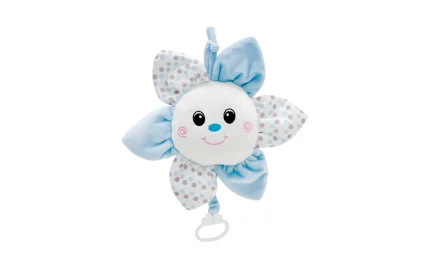
Pull along baby flower, 28 cm

Introducing musical toys to babies is one of the best ways to stimulate their early development and nurture a lifelong love of music. Musical toys for babies are designed to engage their senses, enhance motor skills, and provide joyful learning experiences. These toys can transform playtime into a fun, educational, and creative journey that supports cognitive, emotional, and physical growth.
Why Are Musical Toys Important for Babies?
From birth, babies are highly receptive to sounds and rhythms. Music activates multiple areas of the brain, which helps in developing language skills, memory, and spatial reasoning. Musical toys harness this natural sensitivity by introducing babies to various tones, beats, and melodies in an interactive way.
Musical toys encourage babies to explore cause and effect—for example, pressing a button creates a sound or shaking a rattle produces a melody. This type of play promotes curiosity and problem-solving skills from an early age.
Types of Musical Toys for Babies
There is a wide variety of musical toys suitable for babies, each offering unique benefits:
-
Rattles and Shakers: Simple to grasp and shake, rattles produce sounds that delight babies and help develop hand-eye coordination.
-
Baby Drums: Soft, safe drums encourage rhythmic play and help babies practice motor control.
-
Musical Activity Gyms: These mats often feature hanging musical toys, lights, and sounds, combining sensory stimulation with physical activity.
-
Toy Pianos and Keyboards: Baby-sized pianos or keyboards introduce babies to melodies and note recognition with colorful keys.
-
Musical Balls: Balls that play music when rolled or shaken encourage crawling and movement while offering musical feedback.
-
Squeeze Toys with Sounds: Plush animals or shapes that emit sounds when squeezed encourage grasping and exploration.
-
Wind Instruments: Simple baby flutes or harmonicas can help develop breath control and oral motor skills.
Benefits of Musical Toys for Babies
Using musical toys during playtime supports several areas of a baby’s development:
-
Sensory Development: Different sounds, textures, and colors stimulate the senses and enhance sensory processing.
-
Motor Skills: Grabbing, shaking, hitting, or pressing musical toys strengthens fine and gross motor skills.
-
Language Skills: Exposure to rhythm and melody fosters early speech development and listening skills.
-
Emotional Growth: Music can soothe, entertain, and improve mood, helping babies regulate emotions.
-
Cognitive Skills: Musical play promotes memory, attention span, and pattern recognition.
-
Social Interaction: Singing and playing musical games with caregivers builds bonds and communication.
How to Choose the Best Musical Toys for Babies
When selecting musical toys for babies, keep these important factors in mind:
-
Safety First: Toys should be made from non-toxic materials, be free of small detachable parts, and meet all safety standards for infants.
-
Age Appropriateness: Choose toys designed for your baby’s specific age to ensure the sounds, size, and features match their developmental stage.
-
Durability: Babies tend to explore toys with their mouths and hands, so sturdy and easy-to-clean toys are essential.
-
Ease of Use: Toys should be simple enough for babies to operate independently, encouraging exploration.
-
Variety of Sounds: Toys that produce different tones, rhythms, and melodies keep babies interested longer.
-
Interactive Features: Toys that respond to baby’s actions with lights or sounds support cause-and-effect learning.
Popular Musical Toys for Babies
Here are some popular types of musical toys that parents and caregivers love:
-
Fisher-Price Classic Xylophone: This brightly colored wooden xylophone is perfect for introducing babies to musical notes with easy-to-hit bars and a small mallet.
-
Baby Einstein Take Along Tunes: A compact musical toy with buttons that play classical melodies, perfect for on-the-go entertainment.
-
VTech Musical Rhymes Book: This interactive soft book plays nursery rhymes and songs, combining music with early literacy.
-
Melissa & Doug Band-in-a-Box: A set of baby-friendly percussion instruments including a tambourine, maracas, and cymbals to inspire rhythmic play.
-
Lamaze Freddie the Firefly: A plush toy with a gentle rattle and crinkle sounds, designed for sensory and musical stimulation.
Tips for Encouraging Musical Play
To get the most out of musical toys, parents and caregivers can try these tips:
-
Join in the Fun: Sing, dance, and play along with your baby to create joyful shared experiences.
-
Create a Routine: Incorporate musical play into daily activities to provide consistent stimulation.
-
Introduce Variety: Rotate different musical toys to keep playtime fresh and exciting.
-
Use Music to Soothe: Play gentle tunes during nap time or bedtime to help calm your baby.
-
Encourage Exploration: Allow babies to experiment with sounds freely and express themselves.
-
Attend Music Classes: If possible, join baby music classes to foster social and musical skills.
The Role of Music in Early Childhood Development
Music is not just entertainment—it is a powerful tool for brain development during infancy. Studies have shown that babies exposed to music demonstrate improved neural activity in areas related to language, emotion, and motor skills. Musical toys act as gateways to this developmental growth by making sound exploration accessible and enjoyable.
By engaging with musical toys, babies begin to understand rhythm, pitch, and tempo. These foundations will support later skills such as reading, math, and coordination. Moreover, music strengthens the emotional connection between child and caregiver, promoting security and happiness.
Maintaining and Caring for Musical Toys
To keep musical toys in good shape:
-
Clean Regularly: Use gentle wipes or mild soap and water to clean toys, avoiding damage to electronic parts.
-
Check Batteries: Replace batteries promptly to ensure sounds work correctly.
-
Inspect for Damage: Regularly check for loose parts or wear and tear that could pose safety risks.
-
Store Properly: Keep toys in a dry, safe place to extend their lifespan.
Final Thoughts
Musical toys for babies are more than just fun playthings—they are essential tools that support early development in countless ways. Introducing music through toys fosters sensory, motor, cognitive, emotional, and social growth. With so many delightful and educational options available, parents and caregivers can easily find musical toys that suit their baby’s needs and preferences.
Choosing the right musical toys and incorporating them into everyday routines will spark your baby’s curiosity and creativity, setting the stage for a lifelong appreciation of music and learning.