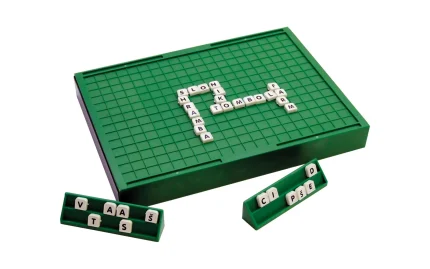
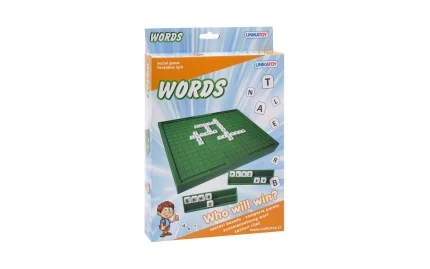
The game Build a word, Unikatoy
Build a Word Game: Create Fun and Educational Word Challenges
Word games have been a favorite pastime for generations, offering endless entertainment while sharpening vocabulary, spelling, and critical thinking skills. Building your own word game allows you to customize challenges tailored to your audience, whether for children, adults, classrooms, or casual fun with friends and family.
In this article, we will guide you through the process of designing a word game—from concept to gameplay—while highlighting the educational benefits and popular types of word games you can create.
Why Build a Word Game?
Creating a word game offers several advantages:
-
Personalized Learning: Tailor vocabulary difficulty and themes to suit specific players or educational goals.
-
Engagement: Custom games can captivate players better than generic apps or board games.
-
Creativity: Designing challenges encourages your own creativity and language skills.
-
Flexibility: You can build games for different settings, like classrooms, parties, or online play.
Popular Types of Word Games to Build
1. Crossword Puzzles
Crosswords challenge players to fill a grid with words based on clues. Building a crossword involves creating a set of interlocking words and writing clear clues. These games boost vocabulary and general knowledge.
2. Word Search Puzzles
In word searches, players find listed words hidden in a grid of letters. You can design word searches on any theme, making them perfect for holidays, topics, or vocabulary lists.
3. Anagram Games
Players rearrange letters to form words. Your game can provide scrambled words for players to unscramble, encouraging spelling and quick thinking.
4. Word Building Challenges
These games ask players to create as many words as possible from a given set of letters within a time limit. They promote creativity and vocabulary recall.
5. Hangman Variations
A classic guessing game where players guess letters to reveal a hidden word. You can add themes or hints to make it more engaging.
Steps to Build Your Word Game
Step 1: Define Your Audience and Purpose
Consider who will play your game:
-
Is it for kids learning new words?
-
Adults wanting a brain teaser?
-
A classroom tool for language learning?
Understanding your audience helps you decide on difficulty, themes, and game length.
Step 2: Choose the Game Type
Pick a word game type that fits your goals and audience. For younger players, simple word searches or hangman might be best. For advanced players, crosswords or anagram challenges provide depth.
Step 3: Select Themes and Vocabulary
Choose a theme to make your game cohesive and engaging, like animals, geography, or holidays. Collect vocabulary words related to your theme and appropriate for your audience’s skill level.
Step 4: Design the Game Layout
Whether it’s a paper puzzle or a digital game, plan the visual layout. For puzzles, create grids that accommodate your words. For other formats, design cards, boards, or digital interfaces.
Step 5: Create Rules and Instructions
Write clear, concise rules. Include how to play, win conditions, and any time limits or scoring systems. Simple instructions help players start quickly and enjoy the game.
Step 6: Test Your Game
Playtest your game with friends, family, or target users. Gather feedback on difficulty, clarity, and fun factor. Adjust the game based on insights to improve balance and engagement.
Educational Benefits of Word Games
Vocabulary Building
Word games introduce new words and reinforce spelling and meaning.
Cognitive Development
They enhance memory, problem-solving, and pattern recognition skills.
Language Skills
Players improve reading comprehension, grammar, and phonics.
Social Skills
Many word games encourage teamwork, communication, and friendly competition.
Tips for Enhancing Your Word Game
-
Add Timers: To increase excitement and challenge.
-
Include Levels: Allow players to progress from easy to hard.
-
Use Multimedia: Incorporate images or audio for clues or themes.
-
Encourage Creativity: Include bonus rounds for invented words or stories.
-
Make it Portable: Design printable or app versions for convenience.
Examples of Successful Word Game Ideas
-
Themed Crossword for Holidays: Words related to Christmas, Halloween, or summer.
-
Animal Word Search: Find animal names hidden in a colorful grid.
-
Scramble Challenge: Unscramble words related to science or sports.
-
Story Builder: Players create a story using random word cards.
-
Guess the Word: Hangman with category hints like movies or food.
Building Digital Word Games
If you’re tech-savvy, consider creating an app or online word game. Use platforms like Unity, Construct, or simple web-based coding (HTML, JavaScript) to build interactive games that can be shared widely.
Digital versions allow you to track scores, add multiplayer features, and update content easily.
Start Building Your Word Game Today
Building a word game is a rewarding project that combines creativity, education, and fun. By tailoring your game to your audience’s needs and interests, you create an engaging tool for learning and entertainment.
Whether it’s a printable puzzle for kids, a party game for adults, or a digital challenge for language learners, the possibilities are endless. Start brainstorming your theme and game type today and watch your word game come to life!