Filter by brand







Rattles for Babies: Essential Toys for Early Development
Rattles have been a beloved baby toy for generations, and for good reason. These simple yet engaging toys play a crucial role in a baby’s early development by stimulating their senses, improving motor skills, and providing entertainment. Whether you are a new parent or a caregiver, understanding the benefits of rattles and how to choose the right one can greatly enhance your baby’s growth journey.
In this comprehensive guide, we explore why rattles are a must-have for babies, the developmental benefits they offer, different types of rattles, and tips for safe and effective use.
Why Are Rattles Important for Babies?
Sensory Stimulation
Rattles produce sound, texture, and visual contrast that help stimulate a baby’s developing senses. The noise captures their attention and encourages auditory development. Bright colors and interesting shapes foster visual tracking skills. Textured surfaces engage the sense of touch, inviting babies to explore with their hands and mouths.
Motor Skill Development
Grasping and shaking a rattle helps babies develop fine motor skills and hand-eye coordination. As they learn to hold and manipulate the rattle, they strengthen their grip and improve dexterity. This foundational skill is essential for later tasks such as feeding themselves, writing, and playing with more complex toys.
Cause and Effect Understanding
By shaking a rattle and hearing the sound it makes, babies start to understand cause and effect. This early cognitive skill is crucial for problem-solving and learning about the world around them.
Emotional Comfort and Entertainment
Rattles are not only educational but also comforting. The familiar sound of a rattle can soothe a fussy baby or provide entertainment during playtime, keeping them engaged and happy.
Types of Rattles for Babies
Classic Handheld Rattles
These traditional rattles are designed for easy grasping and shaking. They often have a handle and a bulb or ball containing small beads that create the rattling sound. Classic rattles are perfect for newborns and young babies learning to grasp objects.
Soft Fabric Rattles
Made with plush or fabric materials, these rattles are soft and cuddly, ideal for gentle play and tactile exploration. They often combine rattling sounds with crinkly textures to stimulate multiple senses at once.
Teething Rattles
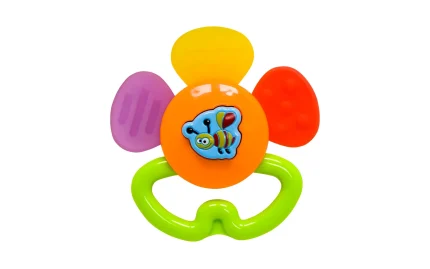
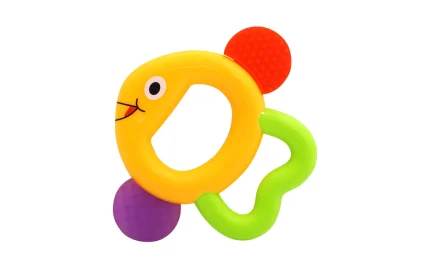
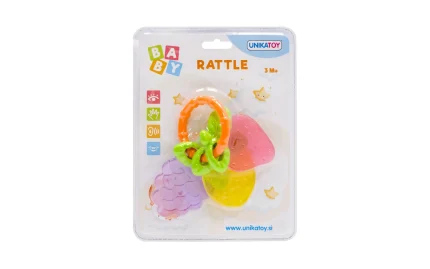
Teething rattles combine the benefits of a rattle with safe chewing surfaces made from BPA-free silicone or rubber. These rattles provide relief for sore gums while engaging babies in sensory play.
Musical and Electronic Rattles
Some rattles include music or light features that add extra sensory input. These toys can captivate babies’ attention for longer periods and introduce them to rhythm and melody.
Multi-Functional Rattles
These combine rattles with other developmental toys like teethers, mirrors, or sensory rings, offering a variety of stimuli in one toy to keep babies interested.
How to Choose the Best Rattle for Your Baby
Safety First
Choose rattles made from non-toxic, BPA-free materials. Ensure all parts are securely attached to prevent choking hazards. The size should be large enough to avoid swallowing but small enough for little hands to grasp.
Age Appropriateness
Select rattles suitable for your baby’s age and developmental stage. For newborns, simple rattles with soft sounds and textures are ideal. Older babies may enjoy rattles with more complex sounds, multiple textures, or teething features.
Stimulating Design
Look for rattles with bright colors, varied textures, and interesting shapes to engage your baby’s senses fully.
Ease of Cleaning
Babies often put rattles in their mouths, so choose rattles that are easy to clean and sanitize regularly.
Benefits of Using Rattles for Babies
Encourages Early Brain Development
Rattles stimulate multiple senses simultaneously, supporting the growth of neural pathways in the brain. This sensory-rich environment lays a strong foundation for future learning.
Promotes Hand-Eye Coordination
By reaching for, grasping, and shaking rattles, babies develop essential hand-eye coordination skills that translate to other daily activities.
Develops Listening Skills
The sounds rattles make help babies learn to focus their hearing and differentiate between various noises.
Enhances Social Interaction
Rattles can be a great tool for bonding. Parents and caregivers can use rattles during playtime to engage babies in eye contact, smiles, and social sounds like cooing or laughing.
Tips for Using Rattles Safely and Effectively
Supervise Playtime
Always supervise babies during rattle play to ensure they do not put parts in their mouths that could be dangerous.
Rotate Toys
Rotate different rattles and other toys to keep your baby interested and provide a variety of sensory experiences.
Combine With Other Activities
Use rattles during tummy time or alongside reading and singing to create a rich developmental environment.
Clean Regularly
Wash rattles frequently according to manufacturer instructions to maintain hygiene.
Rattles are simple yet powerful toys that play a vital role in a baby’s early development. By stimulating senses, improving motor skills, and introducing basic cognitive concepts like cause and effect, rattles help lay the groundwork for lifelong learning. Choosing safe, age-appropriate rattles and incorporating them into daily playtime offers countless benefits for both babies and caregivers. Whether classic, teething, or multi-functional, rattles remain timeless tools to entertain and educate your little one.