Filter by brand




Blocks, 12 pieces, Gabby’s dollhouse, Spin Master
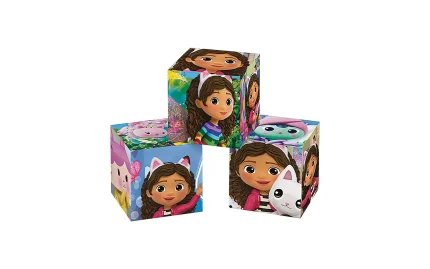

Cubes, 12 pieces, Gabby’s dollhouse
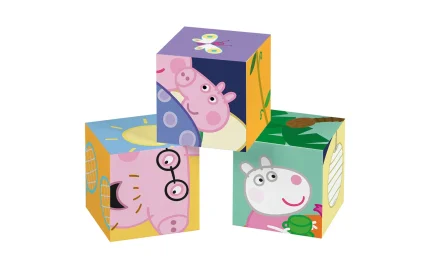
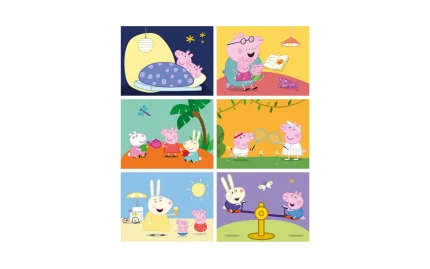
Puzzles in the shape of cubes, 12 pieces, Clementoni
Recommended Age for Puzzles: 3 Years and Up
Puzzles are one of the most beloved educational toys for young children. When a puzzle is labeled as recommended for ages 3 years and up, it means it’s designed to match the developmental abilities and interests of toddlers entering preschool age. This age recommendation ensures that the puzzle provides a safe, engaging, and appropriately challenging experience that supports early learning.
In this article, we will explore why puzzles for 3-year-olds and up are important, what skills they help develop, how to select suitable puzzles, and tips for parents to make puzzling fun and beneficial.
Why Are Puzzles Recommended for Ages 3 and Up?
Developmental Milestones at Age 3
By age three, children have developed better hand-eye coordination and fine motor skills, allowing them to manipulate puzzle pieces more easily than toddlers under 2 years. Their cognitive skills are growing rapidly, including memory, shape recognition, and spatial awareness, making puzzles an ideal tool for this stage.
Safety Considerations
Puzzles designed for ages 3+ usually feature larger pieces to prevent choking hazards, sturdy materials for rough play, and simple images that young children can relate to and enjoy. This makes them safe and suitable for preschoolers.
Encourages Independent Play and Learning
At this age, children start enjoying activities they can do on their own or with minimal help. Puzzles build confidence as kids solve problems and complete images independently or with gentle guidance.
Educational Benefits of Puzzles for Ages 3 and Up
Develop Fine Motor Skills
Handling and fitting puzzle pieces requires precise finger movements and coordination, which strengthen small muscles important for writing and daily tasks.
Boost Cognitive Skills
Puzzles challenge children to recognize shapes, colors, and patterns, enhancing critical thinking and visual-spatial reasoning.
Promote Language Development
Many puzzles feature familiar animals, objects, or themes that encourage parents and kids to talk about what they see, increasing vocabulary and communication skills.
Build Patience and Persistence
Completing a puzzle requires focus and perseverance, helping young children develop patience and problem-solving mindset.
Foster Social Skills
Puzzles played with siblings, parents, or peers teach cooperation, sharing, and turn-taking.
How to Choose the Right Puzzles for 3-Year-Olds and Up
Piece Size and Material
Select puzzles with large, chunky pieces that are easy to grasp and made from child-safe materials like thick cardboard or wood.
Number of Pieces
For this age, puzzles typically range between 12 and 24 pieces. Too many pieces can frustrate, while too few may bore the child.
Engaging and Age-Appropriate Themes
Choose puzzles featuring animals, vehicles, fruits, or simple scenes your child enjoys. Bright colors and friendly illustrations are motivating.
Durability and Safety
Look for puzzles with smooth edges and non-toxic printing. Durable puzzles withstand rough handling and last longer.
Popular Puzzle Types for Ages 3 and Up
Peg Puzzles
These puzzles have pieces with small knobs (pegs) that children can easily grab and place, perfect for improving grip strength.
Floor Puzzles
Larger puzzles made from foam or cardboard can be assembled on the floor, encouraging movement and cooperative play.
Jigsaw Puzzles
Traditional jigsaw puzzles with interlocking pieces designed for beginners help develop spatial reasoning.
Educational Puzzles
Alphabet, numbers, and shape puzzles combine learning with play, reinforcing early academic skills.
Tips to Make Puzzle Time Enjoyable and Educational
Create a Dedicated Puzzle Space
A clean, well-lit, flat surface helps children focus and keeps pieces organized.
Encourage Sorting and Matching
Teach your child to sort edge pieces or group by color and shape before starting, which builds planning skills.
Join in the Fun
Participate in solving puzzles to model problem-solving, celebrate progress, and boost confidence.
Use Puzzles as Learning Tools
Talk about the images, ask questions, and relate puzzles to real-world objects or experiences.
Be Patient and Positive
Praise efforts, not just completion, and offer help when needed to keep the experience rewarding.
When to Move to More Challenging Puzzles
As children grow, they can handle puzzles with more pieces and complex images. Typically, after mastering 12 to 24-piece puzzles, kids around ages 4 to 5 can move on to 30-60 piece puzzles to further develop skills and maintain interest.
Why Puzzles for Ages 3 and Up Are Essential
Puzzles designed for children 3 years and older play a vital role in early childhood development. They promote fine motor skills, cognitive growth, language development, and social interaction, all in a safe and enjoyable way.
Choosing the right puzzle based on piece size, theme, and durability ensures a positive experience that nurtures curiosity and confidence. Making puzzle time fun and educational sets the stage for a lifelong love of learning and problem-solving.
Encourage your young learner to explore puzzles from age 3 and watch as they build essential skills, one piece at a time.