Filter by brand


Blocks, 12 pieces, Gabby’s dollhouse, Spin Master
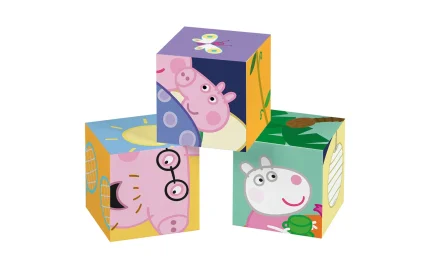
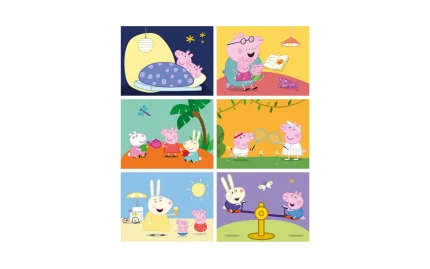
Puzzles in the shape of cubes, 12 pieces, Clementoni
The Complete Guide to 12-Piece Puzzles: Perfect for Early Childhood Development
Puzzles are one of the most beloved educational toys for young children. Among the variety of puzzle sizes, the 12-piece puzzle stands out as an ideal starting point for toddlers and preschoolers. It offers a manageable challenge that nurtures essential skills such as problem-solving, fine motor coordination, and cognitive development — all while keeping children engaged and entertained.
This comprehensive guide explains why 12-piece puzzles are perfect for early learners, explores their educational benefits, provides tips for selecting the best puzzles, and offers strategies to make puzzle time both fun and effective.
Why Are 12-Piece Puzzles Ideal for Toddlers and Preschoolers?
For children aged 2 to 4 years, 12-piece puzzles hit a sweet spot between simplicity and challenge. They are not too easy to cause boredom, nor too complex to cause frustration, making them excellent tools for developing early childhood skills.
Developmental Benefits of 12-Piece Puzzles
-
Fine Motor Skill Enhancement: Handling puzzle pieces, turning them, and fitting them into place helps toddlers develop hand-eye coordination and finger dexterity. These skills are essential for later activities such as writing, drawing, and buttoning clothes.
-
Problem-Solving Skills: Completing a puzzle requires logical thinking and patience. Children learn to identify which pieces fit together based on shape, color, and image, enhancing their ability to analyze and solve problems.
-
Visual and Spatial Awareness: Puzzles train young minds to recognize shapes and spatial relationships. This awareness forms the foundation for future math and geometry skills.
-
Improved Concentration: Engaging with puzzles requires focus and persistence. As toddlers complete puzzles, they practice sustaining attention — a crucial skill for school readiness.
-
Confidence Building: Successfully completing a 12-piece puzzle gives children a sense of accomplishment, motivating them to tackle new challenges with enthusiasm.
Choosing the Right 12-Piece Puzzle: What Parents Should Look For
Selecting a high-quality, age-appropriate 12-piece puzzle is key to a positive learning experience. Here are some important factors to consider:
Material and Durability
Toddlers can be rough with their toys, so puzzles made from sturdy wood or thick, durable cardboard are preferred. These materials withstand wear and tear, ensuring the puzzle lasts through many play sessions.
Size of Pieces
Pieces should be large enough for small hands to grasp comfortably but not so large that the puzzle becomes too easy. Oversized pieces also reduce choking hazards, making puzzles safer for young children.
Vibrant and Clear Images
Bright, colorful images hold children’s attention and make the puzzle-solving process more engaging. Look for puzzles with simple, bold illustrations and clear outlines that help kids easily identify where pieces belong.
Educational Themes
Many 12-piece puzzles come with educational themes that reinforce learning. Popular categories include animals, vehicles, numbers, letters, and favorite cartoon characters. Selecting a theme that interests your child boosts motivation and learning.
Safety Considerations
Ensure puzzles use non-toxic paints and materials and have smooth edges to protect delicate toddler skin.
Popular Themes and Designs of 12-Piece Puzzles
Variety in themes means there’s something to suit every child’s interests and developmental needs.
Animals and Nature
From friendly farm animals to exotic jungle creatures, puzzles featuring animals are a hit with toddlers. These puzzles teach children about different species and habitats, while promoting language development through naming and storytelling.
Vehicles and Transportation
Puzzles depicting cars, trucks, airplanes, and trains appeal to many young kids fascinated by movement and machinery. These puzzles also introduce vocabulary related to transportation and travel.
Letters and Numbers
Early literacy and numeracy puzzles help children recognize letters of the alphabet and numbers, laying the groundwork for reading and math.
Popular Characters and Cartoons
Featuring beloved characters from TV shows or storybooks, these puzzles make learning fun and relatable. Children are often more engaged when the images on the puzzle include familiar faces.
Fantasy and Adventure
For children who love stories and imagination, puzzles with castles, dragons, and superheroes invite creative play beyond puzzle completion.
How to Make Puzzle Time Effective and Enjoyable
Parents and caregivers play a vital role in guiding toddlers through puzzle-solving. Here are practical tips to enhance the experience:
1. Create a Dedicated Puzzle Area
Designate a clean, flat surface with good lighting where your child can focus on the puzzle without distractions. A consistent puzzle area helps organize pieces and encourages regular play.
2. Teach Sorting and Organizing
Show your child how to separate edge pieces from center pieces, or group pieces by color or pattern. Sorting builds categorization skills and simplifies puzzle assembly.
3. Start With the Frame
Help your toddler find and assemble the border pieces first. This step creates a clear puzzle boundary and makes fitting the middle pieces easier.
4. Encourage Verbal Interaction
Talk about the images and colors on the pieces. Asking questions like “Where does this blue bird go?” encourages language development and critical thinking.
5. Celebrate Progress
Praise your child for every piece they fit correctly, boosting their confidence and reinforcing a positive attitude toward learning.
6. Be Patient and Supportive
Every child learns at their own pace. Offer gentle encouragement and help only when needed to avoid frustration.
Educational Benefits That Extend Beyond Puzzle Solving
While 12-piece puzzles are fun, their impact on child development is profound and long-lasting.
-
Memory Skills: Children develop short-term and working memory by recalling which pieces fit together.
-
Emotional Skills: Completing a puzzle teaches patience, perseverance, and handling frustration constructively.
-
Social Skills: Working on puzzles with parents or peers promotes cooperation, sharing, and turn-taking.
Why 12-Piece Puzzles Make Perfect Gifts
Looking for a thoughtful, educational gift for toddlers? 12-piece puzzles are affordable, widely loved, and provide hours of developmental play. They suit birthdays, holidays, or early learning milestones perfectly.
Puzzles also encourage screen-free playtime, offering a healthy alternative to digital devices.
Where to Find Quality 12-Piece Puzzles
12-piece puzzles are readily available in toy stores, educational shops, and online retailers. Look for reputable brands such as Melissa & Doug, Ravensburger, and Janod, which prioritize quality, safety, and engaging designs.
Reading reviews and checking product descriptions can help ensure you select puzzles that match your child’s interests and abilities.
Start Early with 12-Piece Puzzles for Lifelong Learning
12-piece puzzles are more than just toys — they are powerful learning tools that support key early childhood skills in a fun and accessible way. From fine motor development and cognitive growth to language enhancement and social skills, these puzzles set a strong foundation for school readiness and beyond.
By choosing age-appropriate puzzles, providing support, and creating a positive play environment, parents can help their children develop essential skills while fostering a love for learning through play.
Invest in quality 12-piece puzzles today and watch your child’s confidence and abilities grow one piece at a time!