Telescope for kids
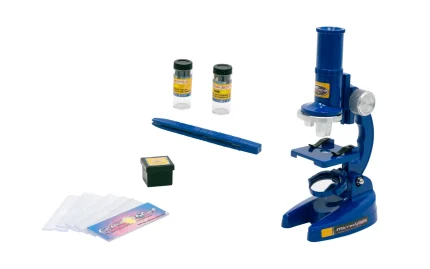
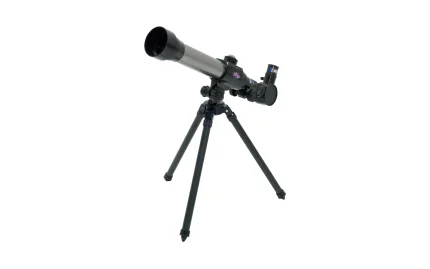
A set of microscope and telescope
A set of a telescope and microscope in one. Discover the fantastic world of science and venture into the unknown. The telescope is made up of a compass, eyepiece, regulation button and focus control knob. The telescopic lens has 20x, 30x and 40x magnification. The lens diameter is 60mm. The microscope contains a focus button, display equipment, a stand and other microscope elements. The microscopic lens has 100x, 200x and 450x magnification.
A telescope for kids is more than just a toy — it’s an exciting tool that opens up the vast universe for young explorers. Whether your child is fascinated by the moon, stars, planets, or distant galaxies, a kid-friendly telescope can nurture curiosity, inspire learning, and provide countless hours of outdoor fun. Introducing children to astronomy early on encourages a love for science and discovery that can last a lifetime.
What Is a Kids’ Telescope?
Kids’ telescopes are designed with younger users in mind. They are simplified, durable, and safe versions of adult telescopes. Unlike professional telescopes that may be complex and fragile, children’s telescopes feature user-friendly designs, lighter weight, and built-in safety features, making them ideal for beginners.
The main goal of a kids’ telescope is to offer an accessible introduction to astronomy — allowing kids to see celestial bodies clearly while having fun learning.
Why Choose a Telescope for Kids?
Providing a child with their own telescope brings numerous benefits, from educational to emotional development.
1. Encourages Scientific Curiosity
A telescope transforms the night sky from a distant mystery into an accessible adventure. Kids are naturally curious about the world around them, and a telescope channels that curiosity into scientific exploration. Observing craters on the moon, tracking Jupiter’s moons, or spotting Saturn’s rings sparks questions and wonder.
2. Builds STEM Skills
Astronomy ties into many STEM (Science, Technology, Engineering, and Math) fields. Kids using telescopes develop skills in observation, measurement, problem-solving, and critical thinking. Learning how to focus a telescope, read star charts, and understand celestial movements introduces foundational scientific concepts in a hands-on way.
3. Promotes Patience and Focus
Operating a telescope requires concentration, steady hands, and patience. Kids learn to carefully adjust lenses, wait for the right conditions, and observe subtle details — skills that translate to many areas of life.
4. Fosters Outdoor Exploration
In a world dominated by screens, a telescope encourages children to spend time outdoors at night, connecting with nature and appreciating the beauty of the cosmos. Stargazing can become a relaxing and awe-inspiring family activity.
5. Creates Shared Family Memories
Stargazing with a telescope offers an opportunity for parents and children to bond. Sharing the excitement of discovering planets and stars can create lasting memories and traditions.
Features to Look for in a Kids’ Telescope
Choosing the right telescope is important to ensure your child has a positive experience. Here are some key features to consider:
-
Magnification: Adjustable magnification lets kids explore different objects in the sky. While high magnification is impressive, beginner telescopes usually offer moderate zoom for clearer, stable views.
-
Aperture Size: The aperture is the diameter of the telescope’s main lens or mirror and determines how much light it collects. For kids, a 50mm to 70mm aperture is generally perfect — large enough for great views but not too heavy or complicated.
-
Mount Type: Stability is key. Tripod mounts provide steady positioning, and altazimuth mounts (which move up/down and left/right) are intuitive for kids. Equatorial mounts offer advanced tracking but are usually better for older users.
-
Durability: Kids’ telescopes should be made from sturdy materials like plastic or lightweight metal to survive bumps and outdoor use.
-
Ease of Setup: Simple assembly with clear instructions helps kids get started quickly without frustration.
-
Accessories: Additional items like star charts, eyepiece sets, smartphone adapters, and carrying cases enhance the stargazing experience.
Types of Telescopes Suitable for Kids
Refractor Telescopes
These telescopes use lenses to bend and focus light. They are straightforward, require little maintenance, and provide bright images of the moon and planets. They are ideal for beginners and younger kids.
Reflector Telescopes
Using mirrors to gather light, reflector telescopes generally offer larger apertures at affordable prices. They reveal more detail of deep space objects but may require occasional alignment. Best for older kids or those ready for more advanced exploration.
Compound Telescopes
Also called catadioptric telescopes, these combine lenses and mirrors for sharp, detailed images. They are more complex and usually suited to teens or those with prior telescope experience.
How to Use a Kids’ Telescope
-
Start Simple: Begin with the moon, which is easy to find and offers fascinating details like craters and mountain ranges.
-
Learn Constellations: Use star maps or apps to identify constellations and navigate the night sky.
-
Pick the Right Night: Clear, dark skies away from city lights provide the best viewing conditions.
-
Adjust Slowly: Teach kids to focus carefully and adjust the telescope’s position patiently.
-
Keep a Journal: Encourage children to record their observations, sketch what they see, or write down questions.
Educational Benefits
Using a telescope supports many areas of learning:
-
Science: Exploring optics, celestial bodies, and space phenomena.
-
Math: Calculating distances, angles, and tracking orbital patterns.
-
History: Learning about famous astronomers, space missions, and discoveries.
-
Technology: Understanding how telescopes and cameras work.
Tips for Parents and Educators
-
Encourage curiosity rather than perfection; it’s about discovery, not just getting the “right” view.
-
Use apps or websites to complement the hands-on experience with information and guided stargazing.
-
Schedule regular stargazing sessions to build excitement and routine.
-
Consider joining astronomy clubs or attending planetarium events to expand knowledge and social engagement.
Safety Considerations
-
Never allow kids to look at the sun through the telescope without proper solar filters—this can cause permanent eye damage.
-
Supervise young children during nighttime use.
-
Store the telescope safely when not in use to prevent damage.
Popular Kids’ Telescope Brands and Options
Brands like Celestron, Orion, National Geographic, and Meade offer excellent beginner telescopes for kids. Many models come with educational guides, durable construction, and easy assembly.
A telescope for kids is a perfect gift to open the door to space exploration and science learning. By providing accessible tools to view the night sky, telescopes inspire wonder, develop important STEM skills, and encourage outdoor family activities. Whether your child dreams of astronauts or just enjoys looking at stars, a kid-friendly telescope is an investment in curiosity, education, and fun that lasts a lifetime.