Plasticine for kids
Filter by brand


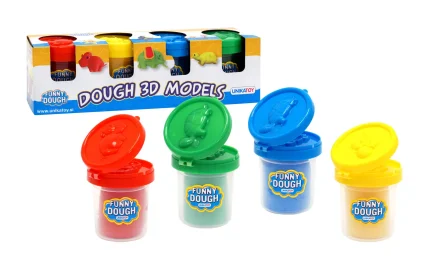
Plastelin 3D Models 4/1, Unikatoy
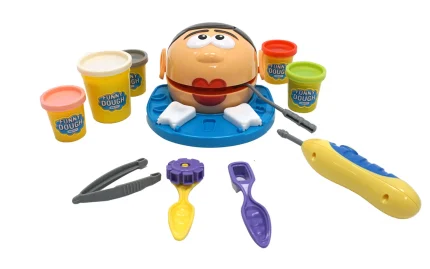
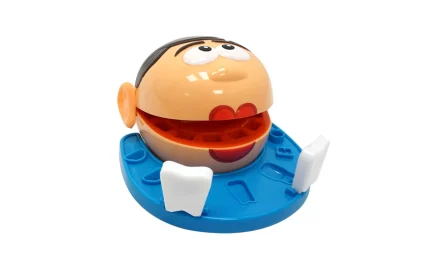
Play-Doh Dentist Set, Unikatoy



Plasticine has been a favorite creative material for children for generations. Known for its vibrant colors and soft, malleable texture, plasticine is a versatile modeling clay that encourages kids to shape, sculpt, and bring their ideas to life. Unlike some clays that dry out, plasticine remains pliable and reusable, making it an excellent choice for endless creative play.
What Is Plasticine?
Plasticine is a non-drying modeling clay made from waxes, oils, and pigments. It is soft enough for young children to shape easily but firm enough to hold its form well. Because it never hardens, kids can continuously reshape their creations, which keeps the play open-ended and fun. Available in a rainbow of colors, plasticine invites kids to experiment with mixing hues and creating colorful sculptures.
Why Kids Love Plasticine
Children love plasticine because it feels soft and smooth in their hands, allowing them to manipulate it in countless ways. The tactile experience is soothing and satisfying, providing sensory stimulation while also fueling imagination. Kids can build everything from simple shapes like balls and snakes to complex figures, animals, or even imaginative characters.
Mixing colors to create new shades adds another layer of creativity, as kids learn about color blending through hands-on experimentation. This makes plasticine both a fun toy and an informal art lesson.
Benefits of Playing with Plasticine
1. Boosts Fine Motor Skills
Manipulating plasticine helps strengthen the muscles in children’s hands and fingers. Rolling, pinching, flattening, and sculpting all support dexterity and coordination, which are essential for handwriting, buttoning clothes, and other daily tasks.
2. Enhances Creativity and Imagination
Plasticine has no set rules or limits, making it a perfect medium for freeform creative expression. Kids can turn ideas into tangible art, experiment with shapes and textures, and tell stories through their models.
3. Improves Concentration and Patience
Crafting with plasticine encourages focus and persistence. Kids learn to plan, refine, and finish their creations, building important attention skills.
4. Supports Sensory Development
The soft texture and pliability of plasticine provide rich tactile feedback. This sensory play benefits children with sensory processing needs by helping them explore different sensations in a safe way.
5. Encourages Problem-Solving
When shaping plasticine, children often face challenges—like how to make a figure stand or how to attach parts. Figuring out solutions enhances critical thinking and spatial awareness.
Creative Activities with Plasticine
-
Sculpt Animals and Characters: Kids can create their favorite animals, cartoon characters, or invent new creatures.
-
Make Letters and Numbers: Forming alphabets and numerals supports early literacy and math skills.
-
Color Mixing: Blend primary colors to discover secondary colors and learn about color theory.
-
Build Miniature Food: Craft pretend fruits, vegetables, and snacks for imaginative play kitchens.
-
Design Jewelry and Accessories: Create bracelets, rings, or crowns as wearable art.
-
Create Story Scenes: Use plasticine models to act out stories or fairy tales.
Tips for Using Plasticine Safely and Effectively
-
Use a clean, flat workspace to keep the plasticine tidy.
-
Wash hands before and after play to avoid dirt mixing in.
-
Store plasticine in airtight containers or resealable bags to prevent drying out and contamination.
-
Supervise young children to prevent ingestion of clay. Although non-toxic, plasticine isn’t meant to be eaten.
-
Avoid mixing plasticine with other clays or materials to maintain texture.
-
Clean surfaces promptly if plasticine sticks, using mild soap and water.
Choosing the Right Plasticine for Your Child
When selecting plasticine, consider:
-
Non-toxic and Safe Ingredients: Ensure it’s safe for children, especially if they are very young.
-
Softness: Softer plasticines are better for toddlers or kids with less hand strength. Firmer types work well for detailed sculpting by older children.
-
Color Variety: Sets with many vibrant colors encourage mixing and creativity.
-
Packaging: Look for resealable packaging to keep plasticine fresh.
-
Brand Reputation: Trusted brands offer consistent quality and safe products.
Educational Value of Plasticine
Plasticine play naturally integrates multiple learning areas:
-
Art and Design: Kids experiment with form, texture, and color blending.
-
Science: Mixing colors and observing shapes introduces basic scientific concepts.
-
Math: Measuring, comparing sizes, and counting pieces build numeracy skills.
-
Language: Describing creations and storytelling enhance vocabulary and communication.
-
Social Skills: Sharing plasticine and collaborating on projects promote cooperation.
Teachers and parents can easily incorporate plasticine into educational activities and lessons to make learning hands-on and enjoyable.
Why Plasticine Is a Great Gift Idea
Plasticine sets make wonderful gifts that appeal to a wide age range. They are perfect for birthdays, holidays, or as creative rewards. Because plasticine supports both play and learning, it’s a thoughtful gift for any child who loves arts and crafts or needs sensory engagement.
Plasticine for kids offers a perfect blend of fun, creativity, and developmental benefits. This colorful, soft modeling clay invites endless imaginative play while strengthening fine motor skills and supporting sensory exploration. Whether used at home, in schools, or therapy, plasticine remains a beloved, timeless material that sparks joy and learning in children.