


Plastic animals
Filter by brand


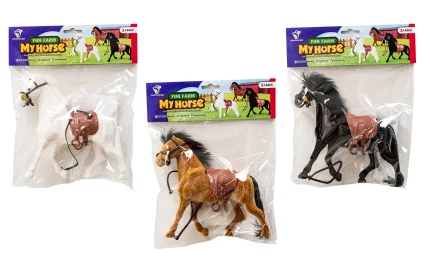


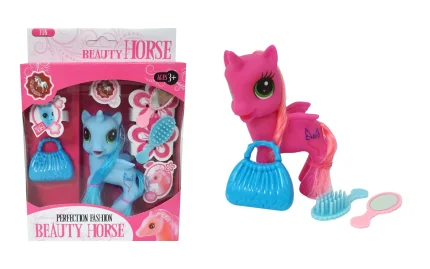
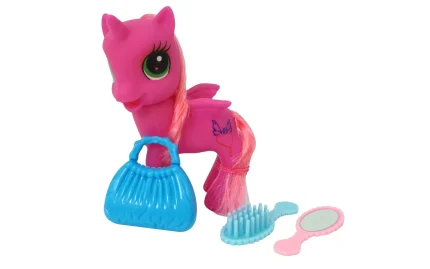


Plastic animals are timeless toys that have fascinated children for generations. Whether it’s a tiny plastic elephant or a colorful dinosaur, these toys open doors to imaginative adventures, learning, and sensory exploration. Plastic animals are affordable, durable, and come in a wide variety of species—from farm and domestic animals to wild creatures and exotic wildlife. These toys are more than just playthings; they are powerful educational tools that foster creativity, cognitive skills, and a deeper understanding of the animal kingdom.
Why Choose Plastic Animals?
Plastic animal toys offer several advantages that make them ideal for children of all ages:
-
Durability: Made from sturdy materials, plastic animals can withstand rough play indoors and outdoors.
-
Variety: There’s an endless range of animals available, including realistic replicas and stylized versions.
-
Educational Value: Kids can learn about different species, their habitats, and behaviors.
-
Safe and Easy to Clean: Most plastic toys are non-toxic and washable, making them hygienic and low maintenance.
-
Portability: Their compact size makes them perfect for travel or play on the go.
Types of Plastic Animals Popular Among Kids
Children love collecting and playing with various types of plastic animals. Some of the most popular categories include:
Farm Animals
Classic figures like cows, pigs, sheep, horses, and chickens allow children to recreate farm life and learn about agriculture.
Wild Animals
Lions, tigers, elephants, giraffes, and zebras inspire jungle and safari adventures, sparking interest in wildlife conservation and biology.
Dinosaurs
Plastic dinosaurs have a special place in children’s hearts, igniting curiosity about prehistoric times and natural history.
Sea Creatures
Plastic dolphins, whales, sharks, and turtles open up the underwater world, encouraging exploration of marine life.
Insects and Bugs
Small plastic insects like butterflies, beetles, and ants introduce kids to the fascinating world of entomology.
Educational Benefits of Plastic Animals
Playing with plastic animals goes beyond simple fun—it’s a meaningful educational experience:
-
Vocabulary Building: Naming animals and their parts helps develop language skills.
-
Cognitive Development: Sorting animals by type, size, or habitat sharpens classification and critical thinking.
-
Imaginative Play: Creating stories with animal figures boosts creativity and narrative skills.
-
Science Awareness: Learning about animal behaviors, diets, and environments fosters curiosity about biology and ecology.
-
Fine Motor Skills: Handling small figures improves dexterity and hand-eye coordination.
How to Use Plastic Animals for Learning and Play
Here are some engaging ways to incorporate plastic animals into playtime and learning:
Animal Sorting and Grouping
Encourage children to sort plastic animals by categories such as habitat (farm, jungle, ocean), diet (herbivore, carnivore), or size.
Storytelling and Role-Playing
Create imaginative stories involving animal characters, helping kids practice language and social skills.
Sensory Bins
Fill a bin with sand, rocks, or water and let kids explore tactile play with plastic animals, recreating natural environments.
Matching Games
Match plastic animals with pictures, animal sounds, or facts for an interactive learning session.
Educational Displays
Use plastic animals to create dioramas or displays that teach about ecosystems, animal families, or life cycles.
Choosing Safe and High-Quality Plastic Animals
When buying plastic animals for kids, safety is paramount. Look for toys that are:
-
Made from non-toxic, BPA-free plastic.
-
Free of small parts that could pose choking hazards for younger children.
-
Smooth and well-finished, without sharp edges.
-
Durable enough to withstand bending and dropping.
Certified toys that meet international safety standards offer peace of mind for parents and caregivers.
Plastic Animals as Gifts and Collectibles
Plastic animals make wonderful gifts for birthdays, holidays, or educational milestones. Many children enjoy collecting sets of animals, which can be expanded over time. Collectible sets often come with guides or books that provide additional learning opportunities about the animals’ natural histories.
Where to Find Plastic Animals
Plastic animals are widely available at toy stores, online shops, educational suppliers, and gift shops. Choosing sets with a mix of animals from different habitats provides variety and encourages broader learning experiences.
Creative Play Ideas Using Plastic Animals
-
Farmyard Scenes: Set up a miniature farm with fences, barns, and animal figures for pretend farm life.
-
Safari Adventures: Create jungle landscapes with trees, rocks, and wild animals to spark storytelling.
-
Ocean Exploration: Use water tables or sensory bins filled with blue beads or water to mimic the sea.
-
Dinosaur Expeditions: Build prehistoric worlds with volcanoes and dinosaurs for exciting adventures.
-
Animal Rescue: Pretend to be wildlife rescuers caring for injured plastic animals, teaching empathy and compassion.
The Role of Plastic Animals in Child Development
Plastic animals contribute significantly to early childhood development by combining play and learning. Through interacting with these toys, children gain valuable skills:
-
Language and Communication: Describing animals and their actions encourages expressive language.
-
Problem Solving: Figuring out how to group or arrange animals promotes logical thinking.
-
Emotional Growth: Role-playing scenarios with animals help children process emotions and develop empathy.
-
Environmental Awareness: Exposure to diverse animal species nurtures an appreciation for nature and conservation.
Plastic animals are simple yet powerful tools that bring the wonders of the animal kingdom into children’s everyday lives. They inspire creativity, support learning, and provide endless fun. Whether used for educational purposes, imaginative storytelling, or sensory play, plastic animal toys remain a beloved choice for parents, teachers, and kids worldwide.


