Filter by brand


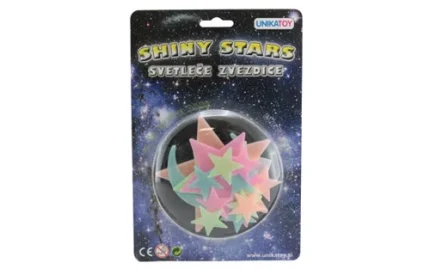
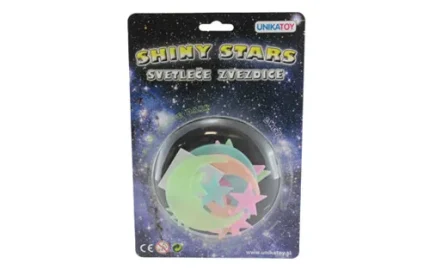
Glowing figures in the shape of stars, Unikatoy


Soft Edge Protector


Soft edge protector – corner guard, set of 8 pieces
Children’s Equipment: Essential Tools for Growth, Safety, and Development
Children’s equipment plays a crucial role in supporting the healthy growth, safety, and development of children from infancy through early childhood. This diverse category includes everything from strollers and car seats to educational toys and safety devices — all designed to help children thrive while making caregiving easier and more effective.
Key Types of Children’s Equipment
1. Infant and Newborn Essentials
For the earliest months, parents rely on items like bassinets, cribs, baby monitors, diaper changing tables, bottle sterilizers, and baby carriers. These products create a safe, comfortable, and manageable environment that supports newborn care and helps parents feel confident.
2. Mobility and Exploration for Toddlers
As babies begin to explore, equipment such as baby walkers, toddler beds, activity centers, and soft play mats provide safe spaces for movement and discovery. These tools encourage physical activity while minimizing injury risks during this highly active phase.
3. Educational and Developmental Tools for Preschoolers
Preschool-aged children benefit from interactive learning equipment such as Montessori-style toys, sensory tables, child-sized furniture, and art easels. These items nurture curiosity, fine motor skills, and independence, fostering early cognitive development through play.
4. Outdoor Play Equipment
Encouraging physical activity and imaginative play, outdoor equipment like climbing frames, playhouses, swings, sandpits, and balance bikes helps children develop coordination, social skills, and creativity while enjoying fresh air.
Prioritizing Safety and Quality
Safety is the cornerstone of children’s equipment. Trusted products comply with international standards such as EN, ASTM, or JPMA, ensuring they are rigorously tested for durability and non-toxicity. Parents look for age-appropriate designs with easy-to-clean materials that withstand daily use.
Convertible and modular products—like adjustable high chairs or car seats that grow with the child—offer longevity and better value. Space-saving options like foldable playpens or stackable storage are popular in smaller homes.
Modern Innovations and Sustainability
Technology integration is growing in popularity, with items like Wi-Fi-enabled baby monitors, strollers featuring built-in chargers, and kid-friendly educational tablets. These innovations blend convenience with engagement for both children and caregivers.
Eco-conscious families increasingly prefer sustainable equipment made from organic fabrics, BPA-free plastics, responsibly sourced wood, and recyclable packaging. Renting, buying second-hand, or choosing reusable products reflects a growing trend toward reducing waste and environmental impact.
Special Needs and Inclusive Equipment
Children with physical, sensory, or cognitive challenges benefit from adaptive equipment designed for inclusion. These might include supportive seating, therapeutic toys, or communication tools that promote developmental milestones and social participation.
Equipment for Group and Educational Settings
In nurseries and kindergartens, specialized children’s equipment includes child-sized furniture, safety mats, educational boards, lockers, and hygiene stations. These items support structured learning and group activities in safe, child-friendly environments.
Travel and Mealtime Convenience
Portable cribs, lightweight strollers, travel cots, and booster seats make family travel with young children safer and more comfortable. Meal-time tools like suction bowls, spill-proof cups, ergonomic utensils, and adjustable high chairs foster independence while minimizing mess.
Hygiene and Safety at Home
Essential childproofing items such as corner protectors, outlet covers, door stoppers, and stair gates prevent accidents, creating safer home environments. Bath seats, step stools, and child-sized toilet seats support potty training and personal hygiene development.
Organization and Comfort for Caregivers
Storage solutions like toy bins and book racks help teach children responsibility while keeping spaces tidy. Ergonomic baby carriers, nursing pillows, and stroller organizers improve caregiver comfort and efficiency.
Style and Personalization
Themed children’s equipment featuring favorite characters, vibrant colors, or nursery decor coordination make these practical items more appealing to kids. This personalization adds joy to daily routines and encourages positive engagement.
Maintenance and Buying Tips
Whether buying new or second-hand, regular inspection and cleaning of children’s equipment ensure safety and longevity. Online shopping offers parents the convenience to compare features, prices, and user reviews, aiding informed decision-making.
Starter kits and bundled products simplify preparation for new parents, while subscription models for toys and educational equipment allow families to refresh their child’s environment with minimal clutter and cost.
Lifelong Benefits
As children grow, their equipment needs evolve—from supportive study chairs to bicycles, musical instruments, and sports gear that foster hobbies and extracurricular learning. Investing in well-designed, age-appropriate children’s equipment supports not just physical safety but emotional wellbeing and educational success.
Children’s equipment is far more than just practical tools; it’s an investment in a child’s health, safety, development, and happiness. By choosing thoughtfully designed, safe, and sustainable products, caregivers can create nurturing environments that help children grow confidently and joyfully through every stage of childhood.