Adult carnival costume – Gothic girl


Adult carnival costume – scream
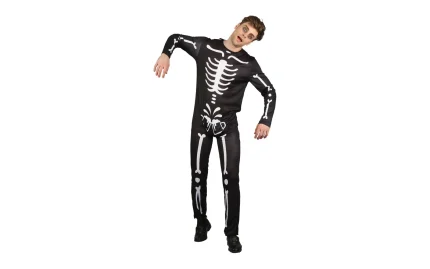


Adult Carnival Costume-Zombie Racer Shirt

Adult Costume – Beer Waitress


Adult costume-Witch
The Power and Popularity of Costumes
Costumes are a powerful and expressive form of dress that allows people of all ages to step into different characters, roles, or identities for fun, celebration, or performance. From Halloween and Carnival to themed parties, cosplay conventions, stage plays, school events, and everyday dress-up play, costumes provide a chance to unleash creativity, boost imagination, and escape the ordinary.
The popularity of costumes spans across cultures and generations, with millions of children and adults dressing up every year in everything from scary monsters and magical creatures to historical figures, pop culture icons, superheroes, and animals. A good costume goes beyond fabric and accessories—it tells a story, creates an illusion, and transforms the person wearing it.
Variety and Types of Costumes
Costumes come in every shape and size, ranging from budget-friendly ready-to-wear kits to elaborate custom-made pieces that involve sewing, crafting, foam work, and special effects. In the world of children’s costumes, common favorites include princesses, firefighters, astronauts, dinosaurs, unicorns, pirates, witches, and cartoon characters like Spider-Man, Elsa, and Paw Patrol.
Kids love pretending to be their heroes or favorite animals, and dressing up helps develop role-playing skills, communication, problem-solving, and empathy. Parents often buy costumes not only for special events but also for everyday play, as they encourage screen-free fun and social interaction. In schools and kindergartens, costume days or book-themed dress-up events are used to make learning more engaging.
Costumes for Teens and Adults
For teenagers and adults, costumes serve a more complex role—ranging from playful to provocative, scary to satirical, and casual to competitive. Halloween is by far the biggest costume holiday globally, with millions of people investing in spooky, funny, or clever outfits to trick-or-treat, attend parties, or share photos on social media.
Carnival, particularly in countries like Brazil, Italy, and Germany, features some of the most artistic and extravagant costumes in the world, often involving feathers, glitter, masks, and handmade accessories. Cosplay, which blends costume and performance art, is another major global phenomenon. Cosplayers spend months crafting accurate, detailed replicas of characters from anime, video games, movies, comics, and fantasy novels, showcasing their creations at conventions, photo shoots, and contests. For many, cosplay is more than just a costume—it’s a lifestyle, a hobby, and a way to connect with a global community of fans.
Humor, Groups, and Safety
Costumes can also be humorous or ironic, allowing adults to poke fun at cultural trends, politics, or themselves. Group costumes are increasingly popular among friends, couples, coworkers, and families—common themes include classic duos like peanut butter and jelly, or larger groups like a full superhero team or a zoo of animals.
Beyond aesthetics, comfort and safety are key factors in choosing the right costume, especially for kids. High-quality costumes are made from breathable, non-toxic materials, with secure stitching and no sharp edges or small parts that can pose choking hazards. Flame-resistant fabrics are especially important for costumes worn around candles, lanterns, or heaters.
For colder climates, many costume brands now offer warm or layered versions to keep children comfortable while trick-or-treating or attending outdoor parades. In warmer countries, lightweight and ventilated materials are preferred to prevent overheating. Adaptive costumes have also become more available in recent years, designed specifically for children and adults with disabilities. These include wheelchair-friendly costumes, sensory-sensitive fabrics, and easy-on designs that promote inclusion and comfort for everyone.
Sources and Styles: Store-bought, Rented, and DIY
Costumes can be store-bought, rented, or homemade. Many families prefer DIY costumes because they’re affordable, customizable, and often more sustainable. Thrift stores, craft shops, and household items like cardboard, old clothes, and face paint can be turned into creative costume masterpieces with a bit of imagination. DIY costume-making is a fun bonding activity for families and a great way for children to get involved in arts and crafts.
Trends and Popularity
The most popular costume categories shift each year depending on trends. Some costumes like vampires, witches, zombies, skeletons, clowns, ghosts, and devils remain evergreen. Others reflect current trends in entertainment and social media—TV shows like Stranger Things, Squid Game, and Wednesday have sparked massive demand for character-based costumes.
Animal costumes—such as lions, cats, bees, sharks, and dinosaurs—remain popular for toddlers and preschoolers. For adults, funny costumes like inflatable T-Rex suits, food items, or parody versions of celebrities continue to dominate social media during costume season.
Eco-Friendly and Enhanced Costumes
Eco-friendly costumes are a growing niche in the costume industry, with more people seeking recyclable materials, ethically sourced fabrics, or costumes that can be reused or upcycled. Brands are responding by creating multipurpose costumes or encouraging resale and donation.
Costume accessories such as wigs, masks, hats, tiaras, fake weapons, capes, gloves, and themed shoes are often what complete the look and add that special flair to any outfit. Special effects makeup, prosthetics, face paint, colored contacts, and body glitter are also popular tools for enhancing realism and dramatic impact. Some costumes even include sound effects, lights, or motion features to create interactive, show-stopping effects.
Costumes in Culture and Media
Costume contests, whether held at schools, offices, online, or during festivals, encourage creativity and reward originality and craftsmanship. Costumes are also widely used in theater, film, and television as essential tools for storytelling and character development. Behind every memorable character on screen is a costume that defines their role, personality, and place in the world.
With the rise of social media platforms like TikTok, Instagram, and YouTube, costumes have become a form of personal branding and online expression, allowing users to share tutorials, transformations, and comedic skits with global audiences. Virtual costume parties and Zoom Halloween events have also gained popularity in recent years, proving that costumes have a place even in digital settings.
The Lasting Impact of Costumes
Ultimately, costumes are more than just outfits—they are a means of transformation, creativity, and cultural expression. They help us celebrate holidays, connect with others, escape reality, and express parts of ourselves that don’t always come out in everyday life. Whether spooky, glamorous, historical, silly, or entirely imaginary, costumes hold a special place in human celebration and imagination, continuing to evolve with every generation.